Tory MS questions Welsh‑medium school language policy
A Conservative MS sparks debate after asking a governor if Welsh‑medium pupils learn English, amid transport woes following Ysgol Dyffryn Conwy’s shift to Welsh‑only teaching.
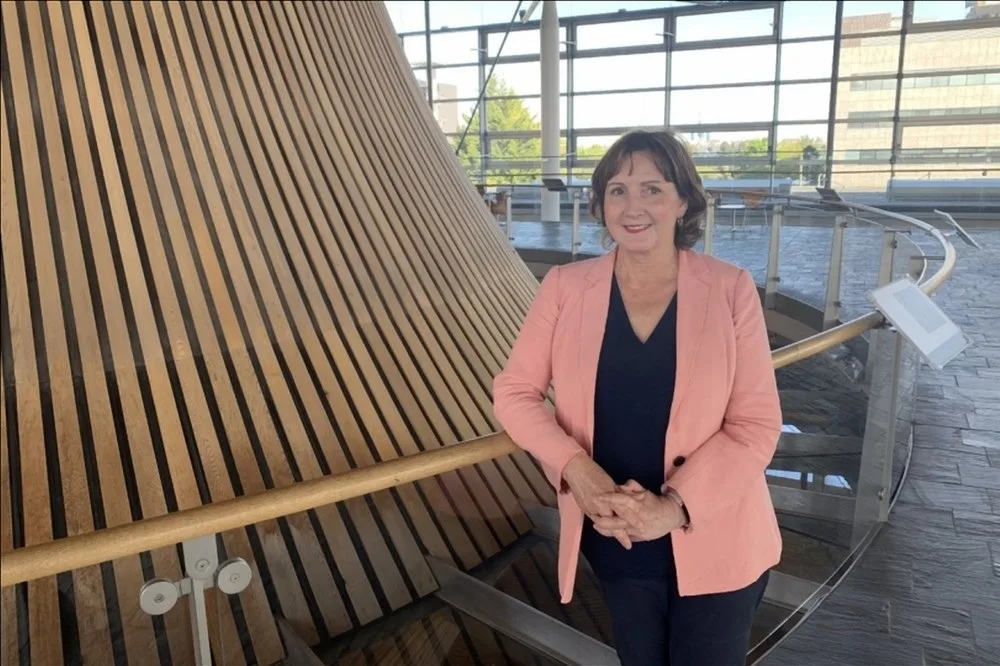
A Conservative Member of the Senedd has ignited a fresh row over Welsh‑medium education after asking a school governor whether he is “100 % certain” that pupils in Welsh‑medium schools also learn English.
The question was directed at Owen Williams, chair of governors at a Welsh‑medium primary, during a social‑media exchange that followed the decision to make Ysgol Dyffryn Conwy a Welsh‑medium‑only school.
Finch‑Saunders, the Conwy constituency MS, said she had received “many representations” from parents who have withdrawn their children from the school or are now struggling to secure transport to alternative provision.
She wrote on her personal website that families are being forced out of the school because of the language change and that she would meet the headteacher to explore paid transport options.
“It is deeply concerning that families are struggling to secure suitable transport for their child to get to school, and that some children are being forced out of the school due to the changes in language provision,” she said.
Finch‑Saunders added a call to action on Facebook, urging affected parents to contact her office for assistance.
Williams responded on X, clarifying that the school would not become “Welsh‑medium only”.
“It won’t be ‘Welsh medium only’.” That’s a falsehood perpetuated by people with an English exceptionalism gene.
The school will be bilingual.
Finch‑Saunders replied, “Are you certain of that Owen?” prompting a firm reassurance.
“Yes.”
Williams later posted screenshots of the exchange, noting the “absolute clarity” of his position and warning that the MS appeared unaware of the education system.
“1/ Welsh‑medium doesn’t mean Welsh‑only.” 2/ Children are educated mainly in Welsh.
3/ They learn English too.
He cited Welsh Government guidance for Category 3 Welsh‑medium secondary schools, which states pupils will be able to “speak, read, write and listen in both English & Welsh”.
The controversy has drawn comment from senior Conservative leader Andrew RT Davies, who warned that political rhetoric should not undermine confidence in the bilingual curriculum.
Education specialists note that Welsh‑medium schools have long operated a bilingual model, with English taught as a second language from early years and assessment standards requiring proficiency in both languages.
However, the shift at Ysgol Dyffryn Conwy has raised practical concerns for families living on the edge of the catchment area, where bus routes are limited and private transport can be costly.
Local authority officials have indicated they are reviewing transport provisions, but no firm timetable has been set.
Finch‑Saunders said she would press Conwy County Borough Council for “greater support for these families” and is preparing a report on the impact of the language change on pupil enrolment.
The debate underscores the delicate balance between preserving Welsh language vitality and ensuring parental choice and accessibility within the education system.
As the meeting with the headteacher approaches, the outcome may shape how other schools navigate bilingual provision while addressing the logistical challenges faced by rural communities.