
Tenby 4G/5G mast bid refused by national park
Mobile Broadband Network Limited, a joint venture between EE Limited and H3G ‘Three’, had sought to replace equipment currently perched on the roof of The Park Hotel, North Cliff.
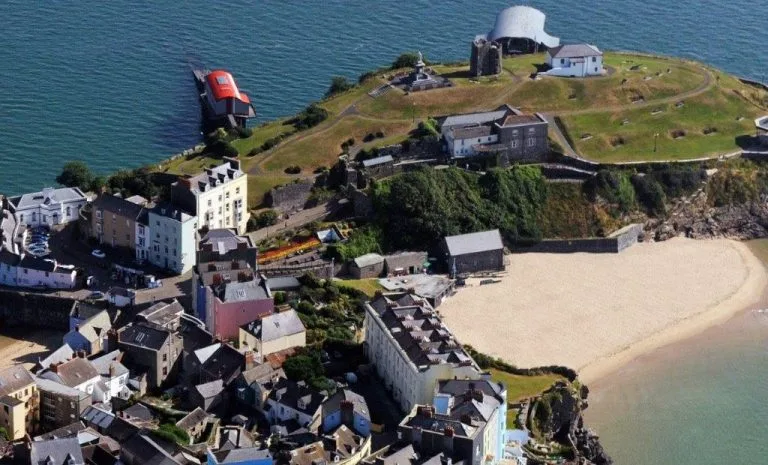
The Pembrokeshire Coast National Park has refused a bid to erect a 20‑metre 4G/5G mast off The Salterns in Tenby, citing breach of permitted‑development limits.
Mobile Broadband Network Limited, a joint venture between EE Limited and H3G ‘Three’, had sought to replace equipment currently perched on the roof of The Park Hotel, North Cliff.
The proposed monopole would have carried a built‑in cabinet, nine radio antennas, two transmission dishes and five ground cabinets, all intended to sustain and boost mobile coverage across the town.
In its application the company argued that the existing site would be decommissioned as the hotel owner pursues “potential plans for the building”.
“The owner of the property has potential plans for the building.” As a result of these plans, EE and Three will be decommissioning their apparatus.
The developers added that the new mast would deliver both 4G and 5G services, noting the higher frequency of 5G signals limits their range.
“Unlike the existing site, the new base station will provide a combination of 4G (fourth Generation) and 5G (Fifth Generation) network coverage.” 5G operates at a higher frequency and the signals do not travel as far.
Without a replacement, the operator warned that coverage could be lost, while the new mast would “offload a degree of traffic from neighbouring base stations”.
Mobile Broadband Network Limited hoped the scheme would fall under permitted‑development rights, which allow certain communications infrastructure to be installed without a full planning application.
However, a park officer’s report concluded the mast exceeded size thresholds because one cabinet was larger than the limits set by Welsh Government guidance.
The refusal means the applicant must now submit a full planning application, a step that could add months to the timetable.
A spokesperson for the national park confirmed the decision, stating: “The mast does not fall within permitted development rights as part of the supporting infrastructure is larger than the amounts defined by Welsh Government.” Therefore, the notification has been refused, and the applicant advised that planning permission is necessary.”
Local MP Henry Tufnell has highlighted the issue, warning that Tenby suffers “persistent ‘not‑spots’ during the busy holiday season”, leaving residents and visitors with unreliable mobile service.
VodafoneThree UK has previously announced an upgrade to the Slippery Back Lane mast, but the work is not expected to finish until 2028, leaving a long gap in improved coverage.
The park’s decision arrives amid growing pressure on mobile operators to expand 5G networks while respecting the visual and environmental sensitivities of protected landscapes.
Critics argue that the refusal could undermine emergency communications, as the existing site also supports the EE emergency services network.
Supporters of the plan contend that the new mast would safeguard essential connectivity for both locals and tourists, particularly as Tenby’s popularity spikes each summer.
With the full planning process now required, the future of the Tenby mast remains uncertain, and residents may have to endure continued “not‑spots” until a compromise is reached.
Picture credit: Gareth Davies.