
Cheapest fuel spots in Wrexham and Flintshire revealed
The National Wales surveyed forecourts across the two counties and identified a handful of sites where the pump price fell below the regional average, a difference that can…
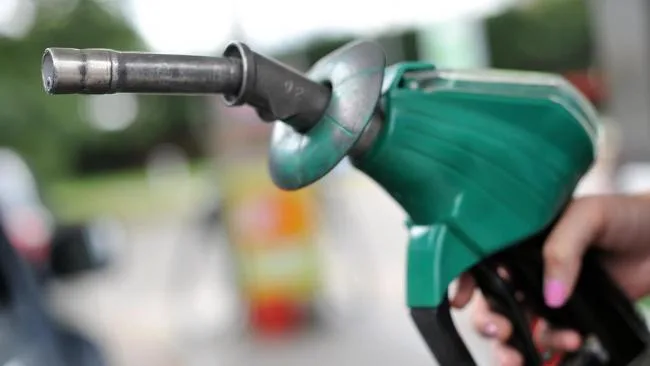
Petrol and diesel prices on 30 September were the cheapest recorded in Wrexham and Flintshire this month, offering a modest relief to motorists still feeling the pinch of volatile fuel costs.
The National Wales surveyed forecourts across the two counties and identified a handful of sites where the pump price fell below the regional average, a difference that can amount to several pence per litre for drivers who shop around.
For many residents of rural north‑west Wales, the ability to save even a small amount is significant, as commuting distances to work, schools and essential services often exceed those in urban areas.
Local businesses that operate vehicle fleets also welcomed the dip, noting that fuel remains one of the largest overheads in their operating budgets.
Industry analysts point to a combination of easing global oil prices, stabilising supply chains and the current fuel duty framework as the main drivers behind the recent fall.
While the market has retreated from the record highs seen in previous years, the price of filling a standard car remains a major concern for households, especially those on limited incomes.
Consumer watchdog groups have long urged drivers to compare prices between nearby forecourts, highlighting that variations of up to ten pence per litre can be found within the same town.
In Wrexham, the most affordable stations were located on the outskirts of the town, near the A483, where competition among retailers appears to be keeping rates low.
Flintshire’s cheapest pumps were clustered around the industrial estates of Holywell and Mold, areas that benefit from a higher density of service stations.
Transport operators in the region said the lower prices could translate into modest savings on daily routes, though they cautioned that any future spikes in oil markets would quickly erode the benefit.
Rural commuters, who often have no viable alternative to driving, expressed cautious optimism, acknowledging that while the current dip is welcome, fuel costs will remain a key factor in household budgeting.
“Every penny counts when you’re covering long distances to get to work,” said a resident of Llangollen, who declined to give a name. “Seeing the price drop, even a little, makes a difference.”
Economic advisers warned that the current relief may be short‑lived, noting that geopolitical tensions and seasonal demand could push prices higher again before the winter months.
Meanwhile, local councils continue to explore measures such as expanding electric vehicle charging infrastructure and promoting public transport to reduce reliance on private cars.
For now, the identified cheap‑price forecourts provide a useful reference point for drivers seeking to stretch their budgets, with the hope that competition will keep the trend of lower rates alive.
Motorists are encouraged to use price‑comparison apps and check daily updates, as the fuel market remains highly responsive to global shifts.
As the autumn months progress, the balance between supply, demand and policy will determine whether the current respite endures or gives way to renewed pressure at the pump.