
Drought raises risk of structural movement in Welsh homes
Property Care Association warns that prolonged dry weather could cause clay soils to shift, prompting cracks and movement in homes across Wales.
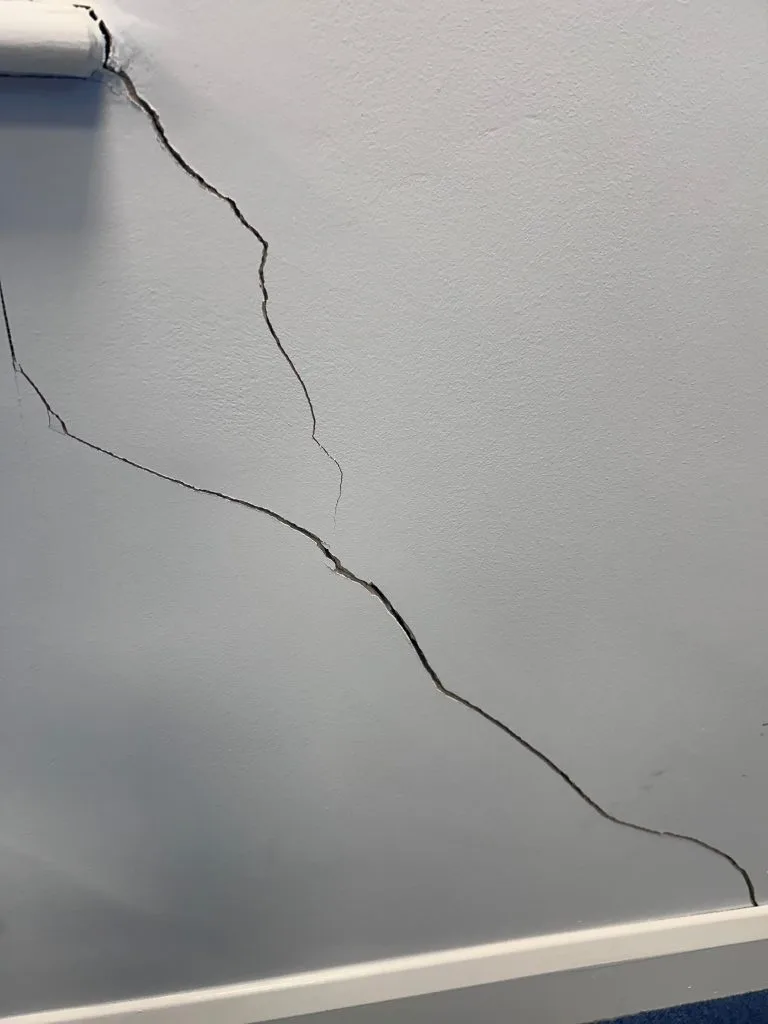
Extended dry spells sweeping the UK this year have prompted the Property Care Association to warn that homes built on shrinkable clay may be vulnerable to structural movement.
When clay soils lose moisture they contract, a process known as desiccation, which can cause foundations to shift and walls to crack.
Conversely, when rain returns the same soils swell – a phenomenon called heave – potentially exerting pressure on a building’s structure.
Prolonged drought accelerates moisture loss not only through evaporation but also as trees and large shrubs draw water from the ground, further destabilising the soil supporting houses.
Cracks appearing in walls or ceilings are often unsettling, yet the association stresses they are not automatically a sign of subsidence.
Typical signs that may merit closer scrutiny include diagonal cracks around doors and windows, stepped cracking in external brickwork, doors or windows that suddenly stick, gaps forming between walls and ceilings, and cracks that appear to widen over time.
“The prolonged periods of dry weather we have experienced this year can have an impact on shrinkable clay soils and, in some circumstances, that can result in movement affecting the building above.” “Finding a crack in your home is understandably concerning, but it is important to remember that a crack is a symptom rather than a diagnosis.”
There are many reasons why buildings crack and it does not automatically mean a property is suffering from subsidence. “What is important is establishing the cause before deciding what, if any, remedial work is required.”
“Homeowners who notice significant or developing cracks should record their location and size, take dated photographs and monitor any changes.”
Experts advise homeowners to keep a simple log of any new or expanding cracks, noting the exact location, length and width, and to photograph them with dates for future reference.
Regular maintenance – clearing blocked gutters, repairing leaking pipes and ensuring proper drainage – can reduce the risk of water‑related soil movement.
If concerns persist, a structural assessment may be recommended, involving crack monitoring, soil testing and an inspection of surrounding vegetation.
Specialist members of the PCA’s Structural Repair sector work alongside structural engineers, surveyors and insurers to diagnose the cause of movement and propose proportionate solutions.
Typical remedial measures range from masonry crack stitching and wall‑tie replacement to resin injections and localized stabilisation.
In more severe cases, underpinning or piling may be required, but the association cautions that such extensive works should only follow a thorough engineering assessment.
“Modern structural repair techniques mean that many problems can be addressed with targeted repairs rather than extensive reconstruction.” “The priority is accurate diagnosis.”
While the current drought is expected to ease with the approach of autumn, the warning serves as a reminder that climate‑driven soil dynamics can have tangible impacts on the built environment.
Homeowners in Wales, particularly those in regions known for clay soils such as the Vale of Glamorgan and parts of Powys, are urged to stay vigilant and seek professional advice if they detect any of the outlined symptoms.
Early detection and appropriate repair can safeguard both the structural integrity of a home and the peace of mind of its occupants.