
Hedgerow removal plan near Peterstone sparks environmental concerns
Prosser’s bid to clear 1.3km of hedge by Broadstreet Common raises objections over wildlife impact and flood risk.
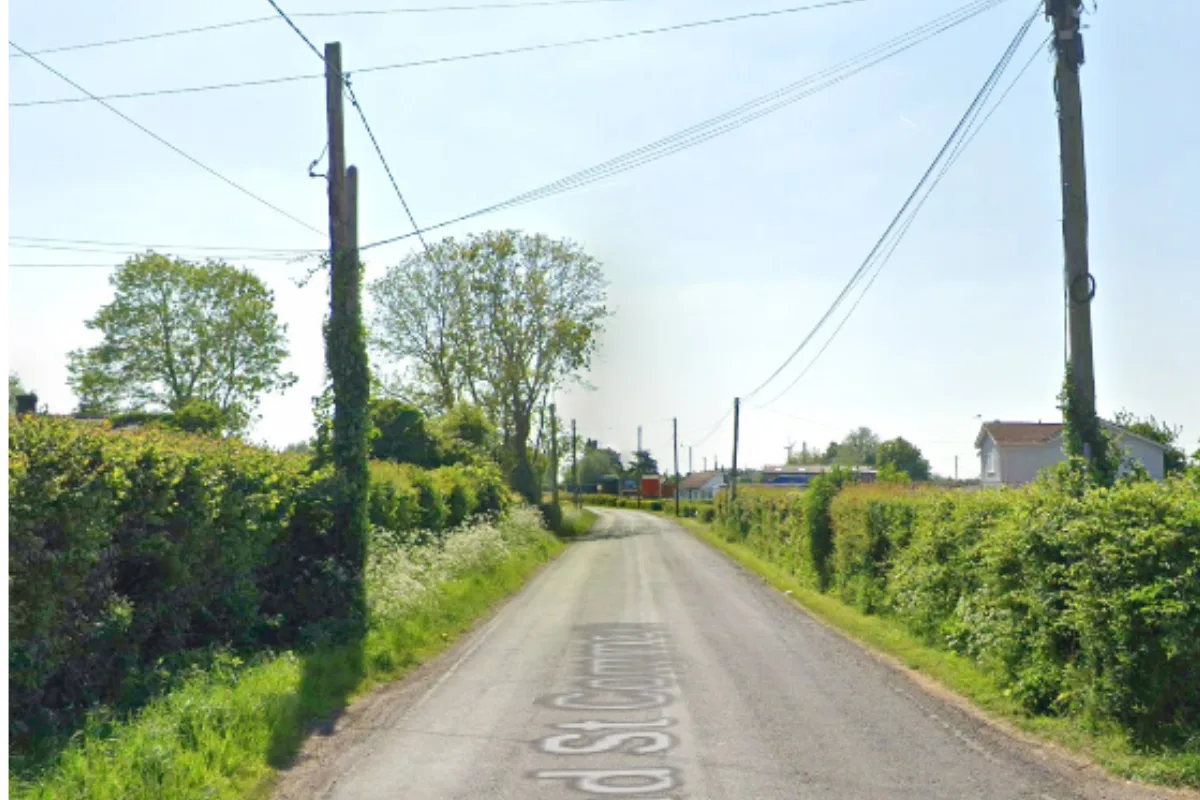
Plans have been lodged to strip almost 1.3 km of hedgerow from the edge of Broadstreet Common near Peterstone Wentlooge, prompting a flurry of objections from local conservationists.
The application, submitted by landowner Prosser with Natural Resources Wales acting as its agent, seeks permission under the Hedgerows Regulations 1997 to clear a ditch‑side hedge that runs alongside the St Brides Site of Special Scientific Interest (SSSI).
According to the paperwork, the hedge stretches roughly 1,272 metres and is described as “low quality and gappy”, composed mainly of willow, scrubby hawthorn and blackthorn.
The applicant argues the removal will allow more sunlight to reach the watercourse, thereby encouraging the growth of aquatic plants that benefit the neighbouring SSSI.
Prosser’s submission also claims the hedge “provides no suitable habitat for dormice or other protected species”, suggesting the loss will have negligible ecological impact.
In contrast, Natural Resources Wales notes that the opposite side of the ditch will be left intact, a measure intended to preserve habitat links across the landscape.
Local residents and wildlife groups have raised concerns that the clearance could disrupt the delicate balance of the reens and ditches that underpin the SSSI’s biodiversity.
The Royal Society for the Protection of Birds (RSPB) previously objected to a separate solar‑farm proposal on the St Brides site, warning that any alteration to the water‑filled ditches could harm the birds and invertebrates for which the area was designated.
Councillors on the Monmouthshire County Council planning committee will now review the notice, weighing the applicant’s justification against the potential loss of hedgerow habitat.
Under the 1997 regulations, landowners must notify the authority before any hedgerow longer than 30 metres can be felled, and the council is obliged to consider ecological evidence before granting consent.
Environmental consultants commissioned by the council have highlighted that hedgerows, even those deemed “low quality”, serve as corridors for pollinators and small mammals, linking fragmented patches of countryside.
“Even a seemingly sparse hedge can act as a lifeline for wildlife moving between fields,” one expert warned, adding that removal could exacerbate the isolation of species already under pressure.
Prosser maintains that the proposed work will not affect protected species, citing a recent site visit that found no signs of dormice or other legally protected fauna.
However, the absence of evidence is not evidence of absence, a point underscored by local naturalists who argue that thorough surveys are required before any definitive conclusions can be drawn.
The public notice, posted on the council’s online portal, invites comments until the end of the month, giving residents a chance to voice support or opposition.
Some neighbours have expressed unease that the clearance could increase the risk of flooding, as hedgerows often act as natural buffers that slow runoff into watercourses.
“Removing the hedge could alter the flow of water into the ditch, potentially raising water levels downstream,” a local farmer cautioned.
Should the council approve the removal, the work is expected to commence early next year, with contractors tasked with clearing the vegetation and stabilising the ditch banks.
Opponents plan to organise a petition and may seek a judicial review if they believe the decision breaches environmental protection statutes.
The outcome will add to a growing debate over how rural Wales balances agricultural development with the preservation of its treasured natural heritage.
For now, the fate of the Broadstreet Common hedge hangs in the balance, awaiting the council’s verdict.