
Parents vital to neonatal care, says minister
Welsh minister urges parents be treated as part of neonatal teams, outlines funding and accreditation progress for Wales’ neonatal units.
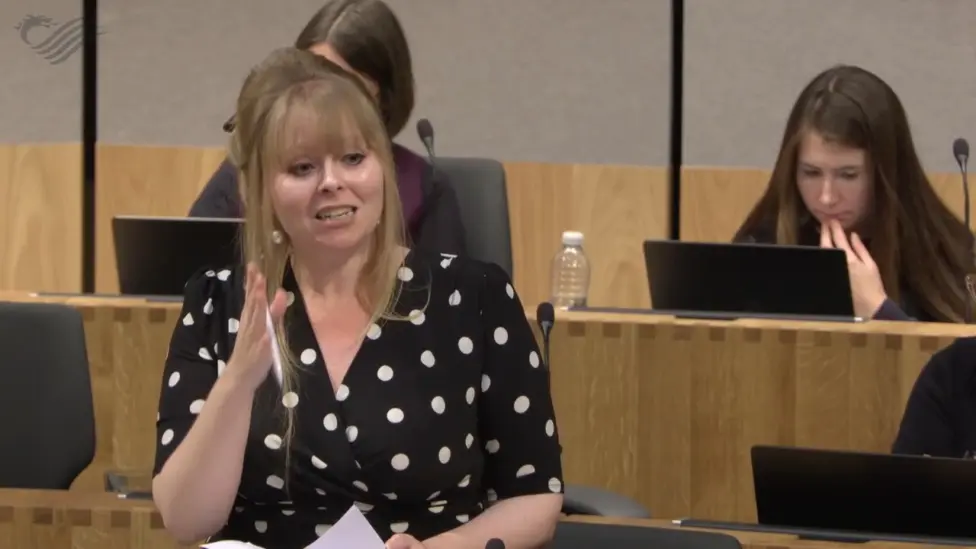
Women’s minister Delyth Jewell told the Senedd on Tuesday that parents must be regarded as “vital to the care team” rather than mere visitors when their newborn receives neonatal treatment.
She highlighted that around 2,800 premature or seriously ill babies are cared for in Welsh neonatal units each year, a figure that underpins the urgency of the government’s push for higher standards.
The Bliss Baby Charter, launched in 2005 by the charity Bliss, sets out a rights‑based framework for the care of these infants and their families.
Last September the Welsh Government pledged almost £100,000 to the charity to launch a national neonatal service improvement programme, a scheme that will be funded through to March 2027.
Jewell said the continued investment will help every Welsh neonatal unit progress through the charter’s accreditation tiers.
All nine neonatal units in Wales are now engaged with the charter; six have achieved bronze status, while Singleton Hospital in Swansea and Wrexham Maelor Hospital have moved on to silver.
“For many families, admission to a neonatal unit is one of the most fraught experiences they will ever have to face,” the minister said, acknowledging the emotional and logistical strain on parents.
She added that clear information, practical assistance and genuine involvement in care decisions are essential to mitigate that strain.
Labour’s shadow children’s minister Catherine Cullen pressed Jewell on measurable progress, noting that no Welsh unit has yet reached the gold or platinum accreditation levels seen elsewhere in the UK.
“For a government that talks about ambition, where is the ambition for these little ones?”
Jewell replied that while all units are working towards higher tiers, the ambition remains to see more facilities advance beyond silver during the current programme.
Former early‑years minister Jane Bryant welcomed the continued funding but asked whether support would extend beyond March 2027.
Conservative health spokesperson Natasha Asghar affirmed her party’s “unwavering support” for any action that improves neonatal care, stressing the need for post‑discharge mental‑health services.
Charity The Smallest Things reported that less than a third of parents receive formal emotional support after leaving a neonatal unit, with only one in five feeling their GP understands their needs and just over a third saying health visitors do.
Jewell said the programme aims to ensure specialist psychological care is available to all families, regardless of the baby’s outcome.
She concluded by reaffirming the government’s commitment to collaborative improvement, noting that the progress seen through the Bliss Baby Charter demonstrates what can be achieved when families, clinicians, health boards, the third sector and government work together.
The minister’s remarks come as Welsh health officials prepare a new strategic review of neonatal services, with the goal of aligning Wales with the highest UK standards before the end of the current legislative term.