
Lampeter developer ordered to replace uPVC windows, faces £58k bill
Ceredigion Council has demanded timber replacements for uPVC work in a Lampeter conservation‑area building, adding nearly £60,000 to the developer’s costs.
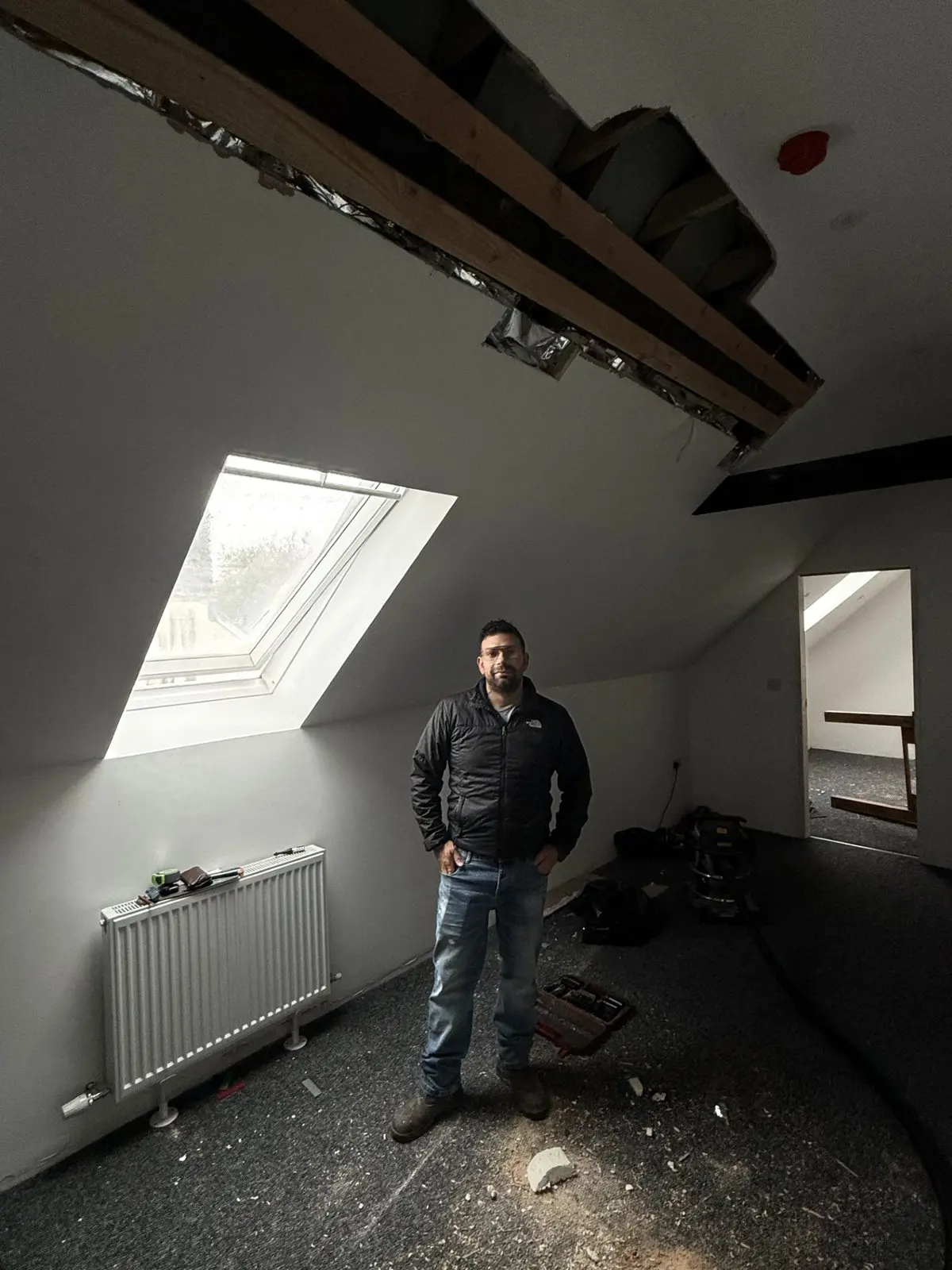
A Ceredigion planning officer has ordered a Lampeter developer to dismantle recently installed uPVC windows and cladding in a conservation‑area building, adding an estimated £57,900 to his renovation bill.
Lee Cowles bought the former Bridge Street football club premises in 2023 with the intention of converting it into commercial office space.
During the works he removed six deteriorating wooden dormer windows, describing them as “severely rotten” and a safety hazard, and replaced them with modern uPVC units.
He also fitted around 23 sq m of uPVC cladding to the façade, believing the changes could be regularised through a retrospective planning application.
Ceredigion County Council, however, has ruled that the alterations breach the strict material guidelines that apply to the Lampeter conservation area.
In a detailed response sent in September, officers said the dormers formed part of the building’s historic roofscape and that their removal “substantially altered the original form and appearance of the building”.
The council has now instructed Cowles to rebuild the six dormers using traditional timber, and to replace the uPVC cladding with timber equivalents, with a compliance deadline of July 2027.
Cowles, who has already spent £350,000 on the purchase and refurbishment, argues the cost of the remedial works will push his total outlay close to £410,000.
“I am not asking for special treatment.”
He contends that uPVC has previously been permitted elsewhere in the town’s conservation area and has lodged a formal complaint with the council over what he describes as “inconsistent treatment”.
The council acknowledged past “unsympathetic interventions” in the area but pointed to a newly adopted conservation‑area appraisal, specialist officers and increased enforcement resources as evidence of a tougher stance.
Local businesses and residents have reportedly voiced support for Cowles, though the council has declined to discuss the individual case further.
Cowles has offered to reinstate two of the original dormers and to swap the uPVC windows and cladding for timber, but officials have rejected those proposals, insisting on a full restoration of the historic features.
The dispute highlights the growing tension between developers seeking cost‑effective modern materials and heritage bodies intent on preserving the character of Wales’ historic towns.
With the deadline now set for mid‑2027, Cowles faces a decision: absorb the additional expense or explore legal avenues to challenge the council’s enforcement notice.