
Torfaen council confirms Varteg spelling in bilingual name list
Torfaen council finalises a 54‑name bilingual list, keeping Varteg unchanged in both English and Welsh after years of debate.
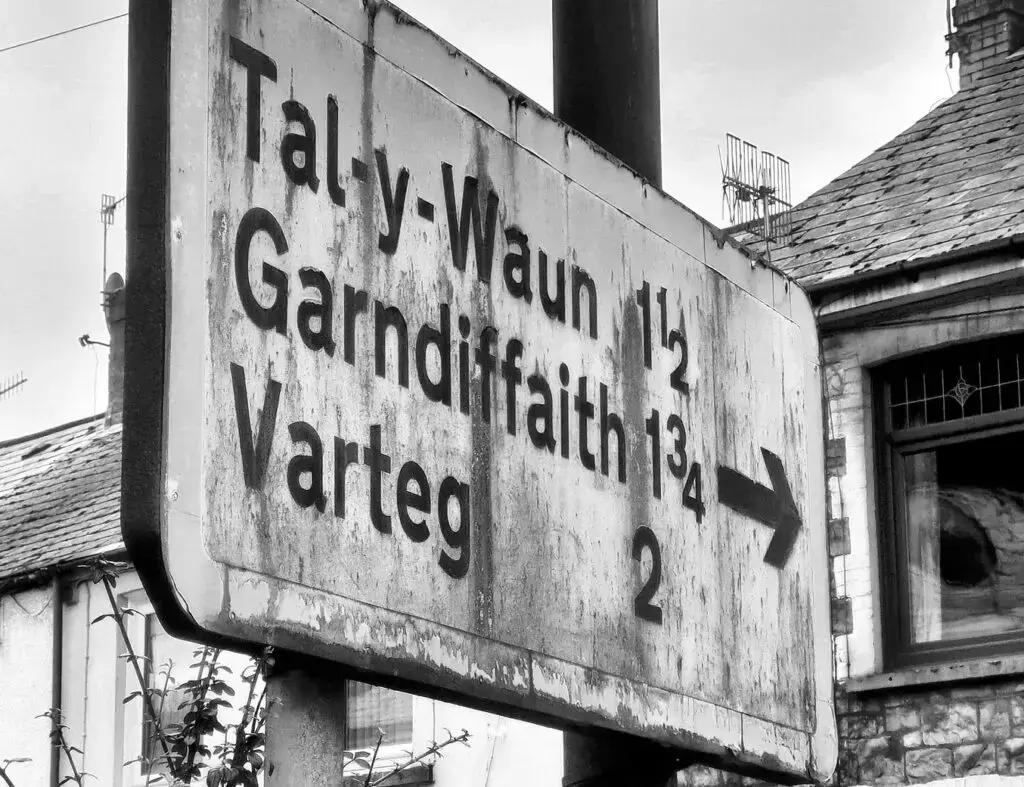
Torfaen council has formally approved a list of 54 place names for use in both English and Welsh, confirming that the village of Varteg will retain its current spelling in both languages.
The decision, signed off by cabinet member for corporate governance Peter Jones, follows a review prompted by the Welsh Language Commissioner in January 2025.
Council officials say the list resolves a long‑standing dispute that began in 2013 when residents objected to an “F” in the Welsh spelling, fearing ridicule over the sign “Y Farteg”.
At the time, the council agreed to keep the “V” in Varteg for both languages, but the list was never adopted nationally.
Alan Vernon‑Jones, the council’s Welsh language policy officer, explained the impact of the omission.
“Despite sending the Welsh Language Commissioner our approved list of names, these were never adopted on a national level.”
He added that the revised list was compiled using the 2013 consultation findings and expertise from the commissioner’s office.
The council’s Welsh language compliance notice, in place since 2016, obliges staff to treat Welsh no less favourably than English.
“The process had taken longer than expected, following the approach in January 2025, due to the standardisation panel only meeting at certain times of the year,” Vernon‑Jones said.
Local MP Paul Murphy welcomed the outcome.
“Varteg is not an English word so translating it is totally unnecessary.”
Resident Sioned Jones, who voiced concerns when the spelling change was first proposed, said the decision eases fears of mockery.
“I’d be humiliated every time I told someone my address,” said resident Sioned Jones to the Guardian when the spelling change was first touted.
In a letter to the Times, community activist Gwawr Dafydd reiterated the linguistic argument for retaining the Welsh form.
“Sir, After reading your article “Village kicks up a stink over plan for new name” (Sept 25) it seems to me some of the residents of Y Farteg and your reporter have got the wrong end of the stick.” The village was renamed incorrectly when it was anglicised — as happened with so many other Welsh towns and villages.
There is no “V” letter in the Welsh alphabet, therefore Varteg is incorrect. The name Y Farteg originally comes from y + march + teg — when translated it means “the most beautiful place” and I am sure the residents are very proud of this name.
Other names on the list, such as Fairwater and Sebastopol, will also remain unchanged in both languages.
The council plans to distribute the approved list to all departments and partner bodies, ensuring staff use the standardised names in official work.
Any alterations to bilingual signage will only occur when signs are replaced or renewed, avoiding unnecessary costs.
Alan Vernon‑Jones said the new consistency should reduce confusion for external organisations that previously relied on the commissioner’s website for Welsh place names.
Torfaen’s decision comes amid broader debates about the status of the Welsh language in public life and the balance between linguistic heritage and practical administration.
By confirming Varteg’s spelling, the council aims to uphold the principle of equal treatment for Welsh while addressing community concerns that have persisted for over a decade.