
Gwynedd firm warns of £1.5m fuel bill as MPs push for relief
Harlech Foodservice faces a 50% rise in diesel costs, prompting Plaid Cymru MPs to demand extension of rural fuel duty relief to Wales.
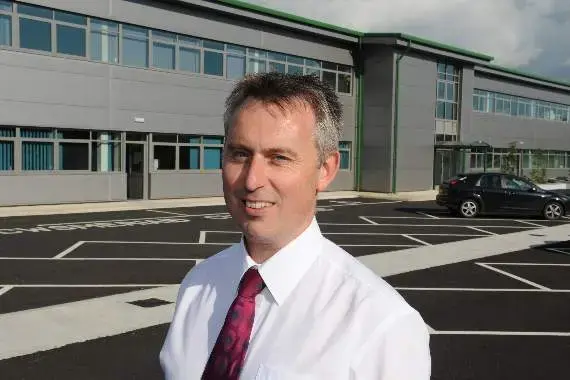
Harlech Foodservice, a major supplier of fresh produce in Gwynedd, says its diesel bill will hit £1.5 million this year after a 50 per cent surge since March. The increase comes as the average price of diesel in the United Kingdom reached a record £2 per litre, putting pressure on rural businesses that rely on road transport.
Joint chairman Andrew Foskett warned that the cost rise cannot be absorbed indefinitely and will inevitably be passed on to customers. “Our fuel costs have increased by 50 per cent since March and are projected to annualise at £1.5 million.”
Diesel is the lifeblood of our industry and increases like this can only be absorbed for so long before they have to be passed on to customers. Due to increased transportation costs for manufacturers, poor harvests, fertiliser and labour costs, food inflation is likely to increase over the next 12-18 months.”
Foskett’s comments echo concerns voiced by Plaid Cymru MPs for the region, who say the fuel price shock threatens the viability of farms, food processors and other rural enterprises.
Gwynedd MP Liz Saville Roberts joined fellow Plaid Cymru MPs Ben Lake, Ann Davies and Llinos Medi in a letter to the Chancellor urging urgent support for Wales’ rural communities. The MPs argue that the current Rural Fuel Duty Relief Scheme, which offers a temporary 5 p per litre cut in fuel duty, excludes Wales despite similar geographic challenges to remote parts of England and Scotland.
They ask the government to retain the 5 p cut beyond December and to extend the relief scheme to eligible Welsh communities. “Rural households and businesses are facing mounting pressure from escalating fuel costs, driven in part by instability in the Middle East,” the letter states.
The correspondence highlights that many residents in Gwynedd and surrounding counties have no practical alternative to car travel for work, education, healthcare and other essential services. Without a viable public‑transport option, the cost of diesel becomes a critical factor in the cost of living and the competitiveness of local enterprises.
Harlech Foodservice, which supplies supermarkets and catering firms across North Wales, relies on a fleet of refrigerated trucks to move perishable goods from farms to distribution centres. Transport costs now represent a larger share of the company’s operating expenses, squeezing profit margins that were already under pressure from higher fertiliser prices and labour shortages.
Industry analysts note that the food sector is particularly vulnerable to fuel price volatility because of the need to maintain cold chains. “When diesel prices rise, the whole supply chain feels the impact, from growers to the consumer at the checkout,” one expert explained.
The MPs’ appeal comes as the UK government reviews its fiscal response to the energy crisis, with the Chancellor expected to outline any further measures in the upcoming budget. They also call for a review of the relief level, suggesting that the current 5 p cut may no longer reflect the sustained high price of diesel.
Welsh ministers have previously highlighted the importance of supporting rural economies, but have not yet announced any extension of the relief scheme to Wales. Local councils in Gwynedd have reported an increase in enquiries from residents about fuel assistance, underscoring the growing anxiety in the community.
Farmers’ unions have similarly warned that rising transport costs could force some producers to scale back output or cease operations altogether. Harlech Foodservice’s projected £1.5 million fuel bill represents a significant increase on previous years, where diesel expenses accounted for roughly a third of total operating costs.
If the company is forced to raise prices, the impact could be felt by consumers across the region, potentially accelerating food inflation already noted by the Office for National Statistics. Stakeholders are watching closely for any policy shift that could alleviate the financial strain on rural businesses and households.
In the meantime, Harlech Foodservice is reviewing its logistics arrangements, including the possibility of consolidating deliveries to reduce mileage. The outcome of the MPs’ lobbying effort may set a precedent for how fuel duty relief is applied across the United Kingdom’s rural heartlands.