
Pembrokeshire wellness retreat approved after scaled‑down plan
Revised plan for a rural wellness centre at Trewallter Llwyd gains planning permission, dropping domes and focusing on existing farm building.
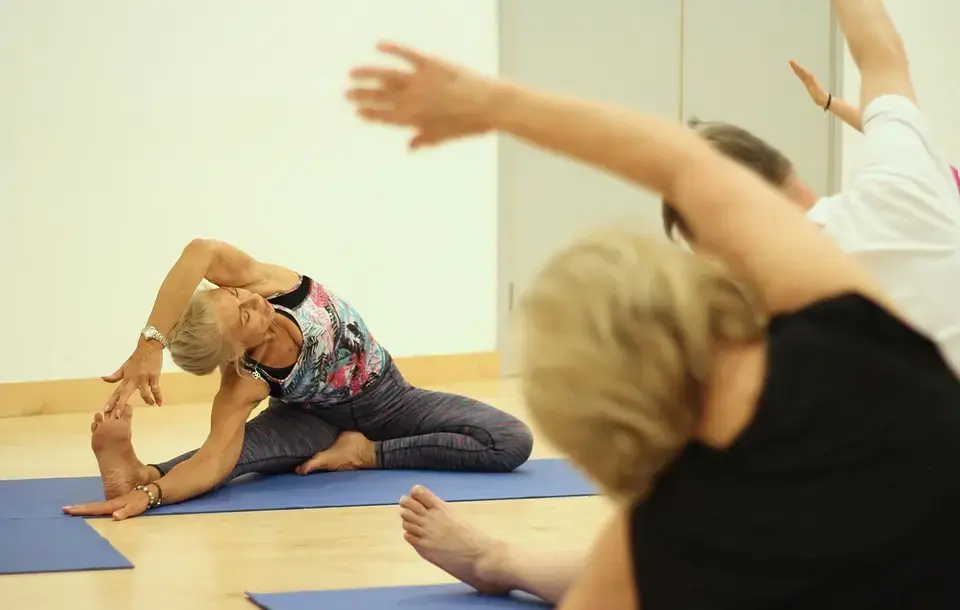
Pembrokeshire County Council has granted planning permission for a scaled‑down wellness retreat at Trewallter Llwyd, Mathry, after the original, larger scheme was rejected earlier this year.
The initial application, lodged by developer Gayle McFarlane in July, sought to convert existing agricultural buildings and surrounding land into a rural wellness centre featuring yoga studios, treatment rooms, a spa garden and two stargazing domes.
The site forms part of the former Trewallter Farm, situated about 1.3 km west of the village of Mathry, and is set within a designated countryside landscape.
A supporting statement for the first proposal described the venture as “a high‑quality, low‑impact rural enterprise centred on wellbeing, nature connection and immersive dark skies experiences ‘Nightfall’”.
The statement added that the development would “support sustainable rural tourism and is fundamentally shaped by — and reliant upon — the environmental qualities of its countryside location”.
Council officers refused the application on the grounds that it failed to provide “robust justification” that the proposed use required a countryside setting, and raised concerns about the visual impact of the domes.
In response, McFarlane submitted a revised plan that removes the domes and limits work to the conversion of the existing farm building, retaining only a small‑scale yoga, therapy and wellbeing facility.
The amended proposal is described by the applicant as focusing “exclusively on the productive reuse of an existing agricultural building” and generating “small‑scale employment‑generating wellness business incorporating yoga, therapy and wellbeing facilities”.
Planners noted that the earlier delegated report had already accepted that the use represented an employment activity and that the existing structure could accommodate it without extensive alteration.
They also concluded that the revised scheme “does not result in significant harm to the wider landscape setting” and that the removal of the domes further reduces visual impact.
In its decision, the council affirmed that “the site is located in the countryside, where the proposal derives benefit from the tranquil rural setting of the site and the relationship with the surrounding natural environment forms an integral component of the wellbeing experience being offered”.
The approval means the developer can now proceed with internal refurbishment, installation of yoga and therapy spaces, and modest external works directly linked to the building’s operation.
No formal objections were recorded during the public consultation period, and local residents have not publicly voiced opposition to the scaled‑down plan.
The decision is expected to add a niche tourism offering to the Pembrokeshire rural economy, aligning with broader strategies to promote low‑impact, nature‑led enterprises in the region.
Planning officers will monitor the development to ensure compliance with the conditions attached to the permission, which include limits on external alterations and requirements to preserve the surrounding landscape character.