
Torfaen to spend £516k on AI programme across Gwent councils
Torfaen Council commits half‑a‑million pounds to a joint AI project aimed at easing staff shortages and improving services for residents.
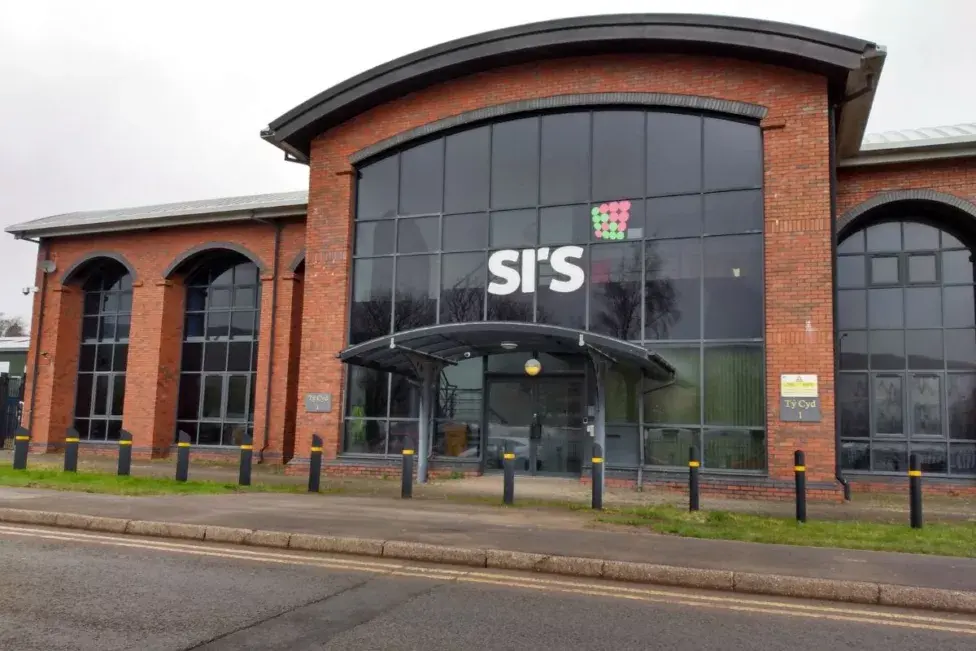
Torfaen Borough Council has committed £516,000 of reserve funds to a £2.6 million artificial‑intelligence programme that will be rolled out across the four Gwent councils.
The investment forms part of a joint venture led by the Shared Reserve Service (SRS), the technology partnership that links Newport, Monmouthshire, Torfaen and Blaenau Gwent councils.
Council leader Labour’s Anthony Hunt gave the green light for the spending, saying the scheme will help “manage the pressures of vacant roles” and “create opportunities for staff to develop new skills”.
Deputy chief executive Dave Leech outlined the intended benefits in a decision report, noting that AI could be used for “redaction, translation and summarisation of documents using approved AI assistants in a secure and governed environment”.
Leech added that AI bots could “significantly improve the ability of customers to contact the council at a time convenient to them”.
He concluded: “The AI programme aims to deliver improved outcomes for residents; manage the pressures of vacant roles; create opportunities for staff to develop new skills; and support with the risk of unsustainable workloads.”
Monmouthshire council joined the initiative in June, agreeing to a three‑year trial that will see data on individual children collated and analysed through predictive analytics.
The trial is one of several initiatives the SRS plans to introduce, alongside tools for document handling and citizen interaction.
While the exact applications for Torfaen have not been detailed, the council’s report suggests the technology will be deployed where it can alleviate staff shortages and generate cost savings.
All four councils will share the platform, which will be hosted on Amazon Web Services and supported by its Pro Services Partner.
The use of a cloud‑based environment is intended to provide a “secure and governed” framework for handling sensitive data.
Torfaen’s contribution will be drawn from its reserves, reflecting a strategic decision to invest in digital transformation rather than rely solely on central government funding.
Council officials say the AI programme is designed to be scalable, allowing each authority to tailor the tools to local service demands.
By standardising the approach across the region, the SRS hopes to achieve economies of scale and avoid duplicated procurement costs.
Staff training will form a core component of the rollout, with the aim of upskilling employees to work alongside AI assistants.
The initiative arrives as Welsh councils grapple with recruitment challenges, particularly in social services and housing, where vacancies have risen sharply in recent years.
Local government leaders have warned that without innovative solutions, workloads could become unsustainable, risking service quality for residents.
Torfaen’s investment marks the first substantial financial commitment from a Gwent council to the joint AI project.
Project timelines indicate that the first phase of the programme could be operational by early next year, pending final technical integration.
Stakeholders will monitor the impact on service delivery, with performance metrics to be reported to the SRS board.
Should the trial prove successful, the model could be extended to other Welsh authorities seeking to modernise their operations.