
What is Wales famous for?
From castles and dragons to rugby and cuisine, the twelve symbols explored show how Wales’ language, landscape and heritage shape its global identity.
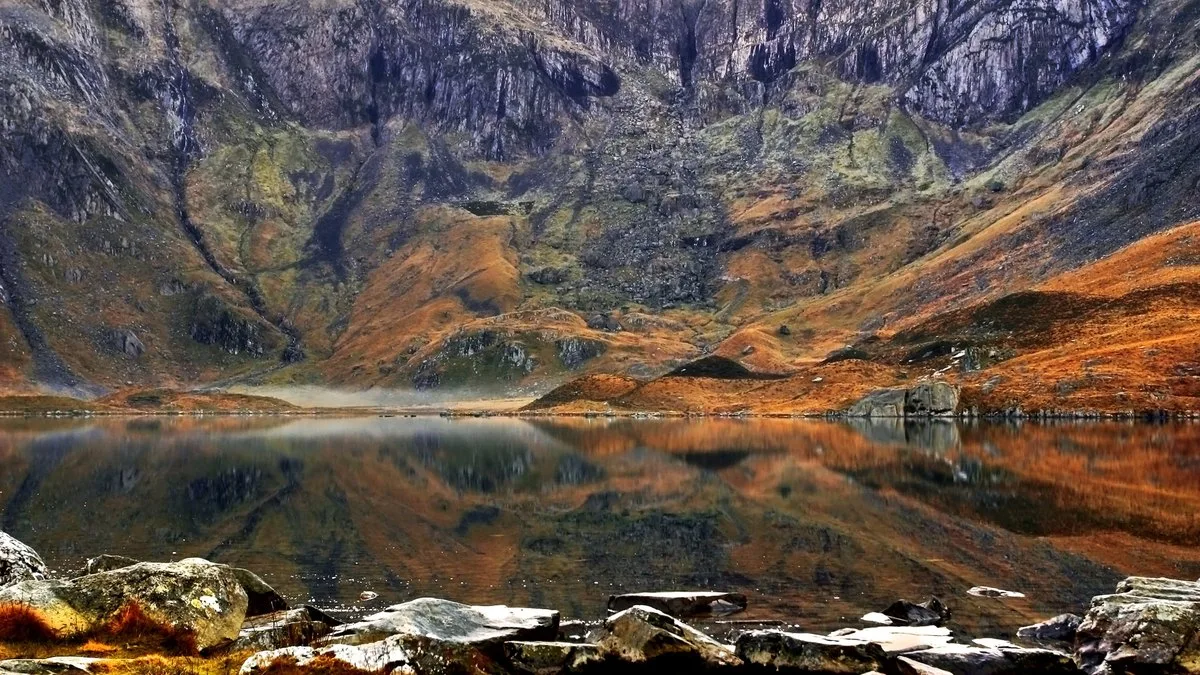
Wales’ tourism board has released an official list of twelve icons that it says best capture the nation’s distinctive character and global appeal.
The selection, unveiled on Monday, is intended to guide visitors and residents alike through the cultural, natural and historic landmarks that define Wales today.
Castles top the list, with sites such as Caernarfon, Conwy, Caerphilly and Harlech highlighted for their sheer number and the layered stories they tell of native Welsh strongholds and later English conquest.
Experts note that the exact count of Welsh castles varies depending on definition, but the density of fortifications across a relatively small area is unrivalled in the United Kingdom.
The mountainous heart of Wales is represented by the ranges of Eryri, the Brecon Beacons and the Cambrian Mountains, whose peaks and glacial valleys shape the country’s inland image.
These highlands sit alongside the Wales Coast Path, a continuous trail that follows the entire coastline, linking cliffs, beaches and former industrial sites in a single walking experience.
Welsh language – Cymraeg – is described as a living Celtic tongue heard in homes, schools, workplaces and on road signs, offering more than visual novelty but a conduit for humour, literature and regional identity.
Its presence is reinforced by broadcasting, music and public life, ensuring that visitors encounter the language beyond the occasional placename.
The red dragon, Y Ddraig Goch, on the national flag, remains a instantly recognisable emblem, its modern design officially adopted in 1959 after centuries of medieval and royal symbolism.
Its popularity stems from a blend of historic myth and contemporary national pride.
Rugby union holds a powerful place in Welsh public culture, especially during the Six Nations, where match‑day atmosphere in Cardiff and community club traditions reinforce the sport’s national significance.
Football, boxing, cycling and para‑sport also feature, underscoring Wales’ diverse athletic achievements.
Music is celebrated through the historic male voice choirs and the broader spectrum of Welsh sound, from chapel hymns and folk tunes to Welsh‑language rock, pop and classical performances.
International stars such as Tom Jones, Shirley Bassey, Bonnie Tyler, Bryn Terfel and the Manic Street Preachers illustrate the global reach of Welsh talent.
Food and drink showcase regional diversity, with staples like Welsh cakes, cawl, bara brith, laverbread, rarebit and Caerphilly cheese reflecting both agricultural and coastal traditions.
Modern chefs blend these heritage ingredients with contemporary techniques, creating a culinary scene that varies from family recipes to fine‑dining reinterpretations.
Industrial heritage remains a cornerstone, with coal, iron and slate once powering the global economy and leaving a legacy of dangerous work, vibrant communities and political movements.
Sites such as Big Pit, the Blaenavon World Heritage area and the Slate Landscape of Northwest Wales preserve this history for visitors.
Myth and folklore, collected in the medieval Mabinogion and enriched by Arthurian legends, lake monsters, saints and the twin dragons, provide a rich imaginative geography that continues to inspire storytelling.
These narratives, while not literal history, reveal how places are remembered and celebrated.
The Eisteddfod tradition, including the National and Urdd festivals, links performance with poetry and language, offering contemporary stages for new music, literature and debate.
Local eisteddfodau further embed these cultural practices within communities across the country.
National emblems such as the daffodil and leek, especially visible on St David’s Day, and the ubiquitous image of sheep, symbolise rural Wales while acknowledging the broader ecological and economic realities of the countryside.
Together, the twelve icons illustrate how Wales blends a distinct national identity with close ties to Britain, Ireland and the wider world, underpinned by its devolved parliament and cultural institutions.
The tourism board hopes the list will encourage deeper exploration beyond the familiar clichés, inviting people to experience the language, landscape, history and community that continually shape Wales.