
What language do they speak in Wales?
Discover the roots of Cymraeg and learn easy Welsh phrases to use while exploring Wales, from historic trails to vibrant festivals.
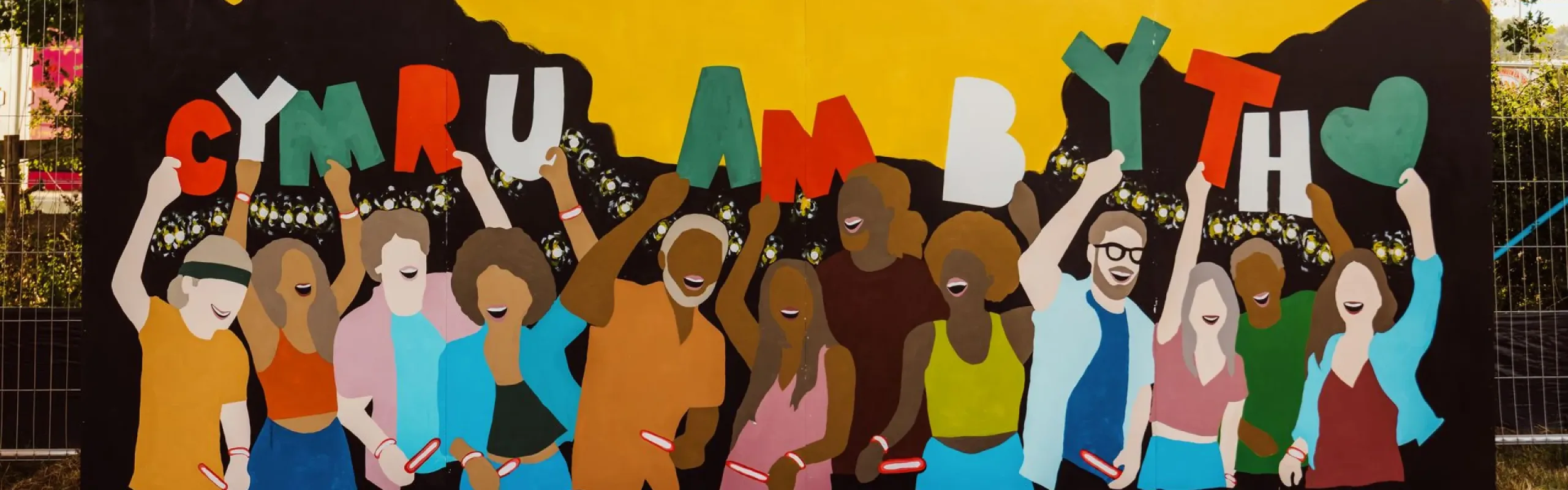
Visitors to Wales are now being urged to brush up on Cymraeg as part of a new national language‑learning push aimed at tourists. The campaign, launched by the Welsh Government’s language office, highlights the historic roots of the tongue and offers a handful of easy phrases for travellers.
Welsh, Britain’s oldest living language, traces its lineage back to Celtic speech heard on the islands more than two and a half millennia ago. By the eighth century, the earthwork known as Offa’s Dyke – now a popular National Trail – marked a clear linguistic frontier between English‑speaking east Wales and Welsh‑speaking west Wales.
Today, almost 900,000 people across the country can speak Welsh, according to the latest census figures. In many north‑west and west‑coast communities, roughly three‑quarters of residents use the language as their mother tongue.
Legislation protects Welsh’s status, and every state‑funded school teaches the language, with a growing number using it as the primary medium of instruction. Adult learners are also on the rise, with community‑run classes filling seats in towns from Cardiff to Aberystwyth.
The new guide lists “Bore da” (good morning), “Diolch” (thank you) and “Sut wyt ti?” (how are you?) as starter greetings for visitors. Signs bearing the orange Cymraeg speech‑bubble badge now appear in shops, cafés and public buildings, signalling staff who can converse in Welsh.
Tourists are encouraged to try the phrases when ordering a drink in a community pub, a uniquely Welsh institution often saved from closure by local volunteers. Examples include Yr Iorwerth in Bryngwran, Tafarn y Fic in Llithfaen and Y Pengwern in Llanffestiniog, where patrons regularly hear Welsh banter.
Place‑names provide another natural classroom; the village of Llanfair‑pwllgwyngyll‑gogery‑chwyrndrobwll‑llantysiliogogogoch on Anglesey remains the longest in Europe. Pronunciation guides on the MapLlais website help visitors tackle the tongue‑twister before they set foot on the sign.
Music venues across the country also showcase the language, from Y Saith Seren in Wrexham to Clwb Ifor Bach in Cardiff, where Welsh‑language gigs are a regular feature. Summer festivals such as Gŵyl Fach y Fro in Anglesey, Tafwyl in Cardiff and Sesiwn Fawr in Dolgellau draw crowds eager to hear songs in Cymraeg.
The National Eisteddfod, held each August, offers a week‑long immersion of music, poetry, drama and visual arts, all conducted in Welsh. Youth‑focused Eisteddfod yr Urdd, Europe’s largest festival for young people, kicks off on the Spring Bank Holiday weekend and provides another entry point for language exposure.
Theatrical productions in Welsh are on the bill at venues including Galeri in Caernarfon, Pontio in Bangor and The Riverfront Theatre in Newport. For those seeking formal study, the Nant Gwrtheyrn residential centre on the Llŷn Peninsula runs intensive courses for beginners and advanced speakers alike.
Online resources such as the Mentrau Iaith Cymru website supply printable phrasebooks and audio clips for self‑study on the road. Sporting events also echo the language; crowds at the Principality Stadium often chant “Hen Wlad fy Nhadau” and chant “Yma o Hyd” during football matches.
Local radio stations and Spotify playlists dedicated to Welsh music give travellers a soundtrack to practice new words while on the move. By weaving simple greetings into daily interactions, visitors can contribute to the language’s vitality and experience a deeper connection with Welsh culture.
The language office hopes the initiative will encourage tourists to speak Welsh wherever they go, reinforcing the tongue’s role as a living, community‑driven treasure. As the campaign rolls out across tourist information points, the message is clear: a few words in Cymraeg can open doors to richer, more authentic Welsh experiences.