
What is the capital city of Wales?
Explore how Cardiff evolved from a Roman outpost through industrial boom to today’s vibrant capital, blending heritage with contemporary culture.
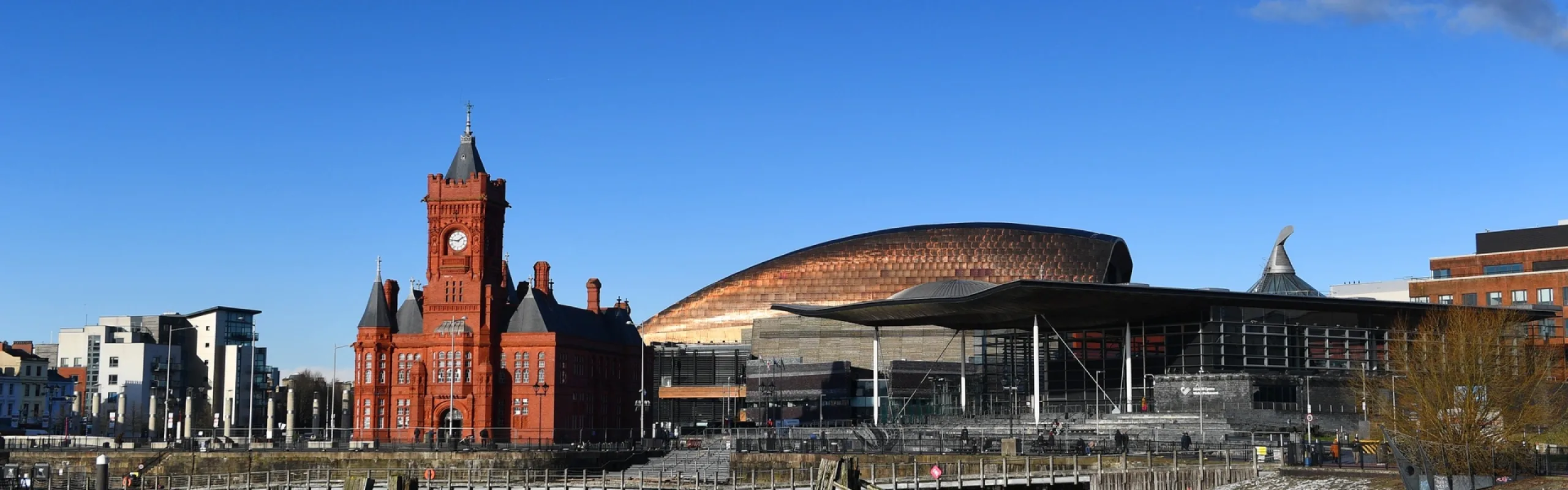
Cardiff’s city centre now brims with craft breweries, fine‑dining restaurants and sleek pedestrian avenues, yet the capital’s modern sheen rests on a foundation that stretches back almost two millennia.
The imposing stone keep that dominates the skyline is a direct descendant of a Roman fort erected around AD 50, the earliest known military outpost on the site.
Successive waves of conquerors reshaped the stronghold – the Normans expanded its walls in the 11th century and the Victorians added opulent interior suites that today welcome visitors seeking a glimpse of medieval grandeur.
Beyond the castle, the city’s landscape is dotted with Bronze‑Age burial mounds and a Stone Age monolith at St Lythans, evidence of human activity in the region as far back as 4000 BC.
Following the Roman withdrawal in the 5th century, the settlement evolved into a modest market town by the 14th century, only to be razed during Owain Glyndŵr’s revolt in the 15th century.
Despite that setback, the town’s fortunes changed dramatically after the Glamorganshire Canal opened in 1798, linking the nascent dock complex on the Severn Estuary with the coal mines of the South Wales Valleys.
The canal sparked a rapid transformation, turning Cardiff into a world‑leading coal port; within a generation its dock network handled more tonnage than any other port on the planet.
That boom attracted a cosmopolitan workforce, with records from the early 1900s showing residents from 57 different nationalities.
Much of the expansion was financed by John Crichton‑Stuart, 2nd Marquess of Bute, whose family owned extensive tracts of land, including the castle, and who steered the town toward city status, achieved in 1905 – the first Welsh town to receive such recognition.
The Butes also set aside large green spaces for public enjoyment, creating Bute Park and Sophia Gardens, which together give Cardiff one of the greenest city centres in Europe.
In 1947 the 5th Marquess of Bute gifted the castle and its surrounding parkland to the city, paving the way for a new civic identity that moved beyond industrial export.
For decades Wales lacked an official capital, with Caernarfon, Aberystwyth and Swansea all vying for the role.
After extensive debate, the Welsh Government announced Cardiff as the capital in 1955, prompting the establishment of national institutions such as the Arts Council of Wales, Sport Wales National Centre and, later, the Senedd.
The construction of the Senedd and the relocation of the Welsh Government headquarters cemented the city’s political status, while the redevelopment of the old docklands into Cardiff Bay created a vibrant leisure quarter centred on a freshwater lake.
Today the capital’s creative sector thrives, with Wolf Studios producing Hollywood‑scale films and organisations like the Welsh National Opera and National Theatre Wales delivering a year‑round programme of performances.
The Principality Stadium, perched in the heart of the city, draws rugby fans from around the globe, reinforcing Cardiff’s reputation as a premier sporting venue.
Historic landmarks also remain integral to the city’s identity; the Coal Exchange Hotel, where the world’s first £1 million coal deal was struck, and the 18th‑century Cardiff Market both echo the city’s industrial and market‑town heritage.
From Roman outpost to bustling modern capital, Cardiff’s layered past is visible in every stone, park and pier, offering residents and visitors alike a living narrative of resilience and reinvention.