
Wales urged to act on flood warning before winter rains
Climate Cymru Wales warns of unsettled weather; experts call for community plans, flood‑warning sign‑ups and nature‑based solutions to reduce risk.
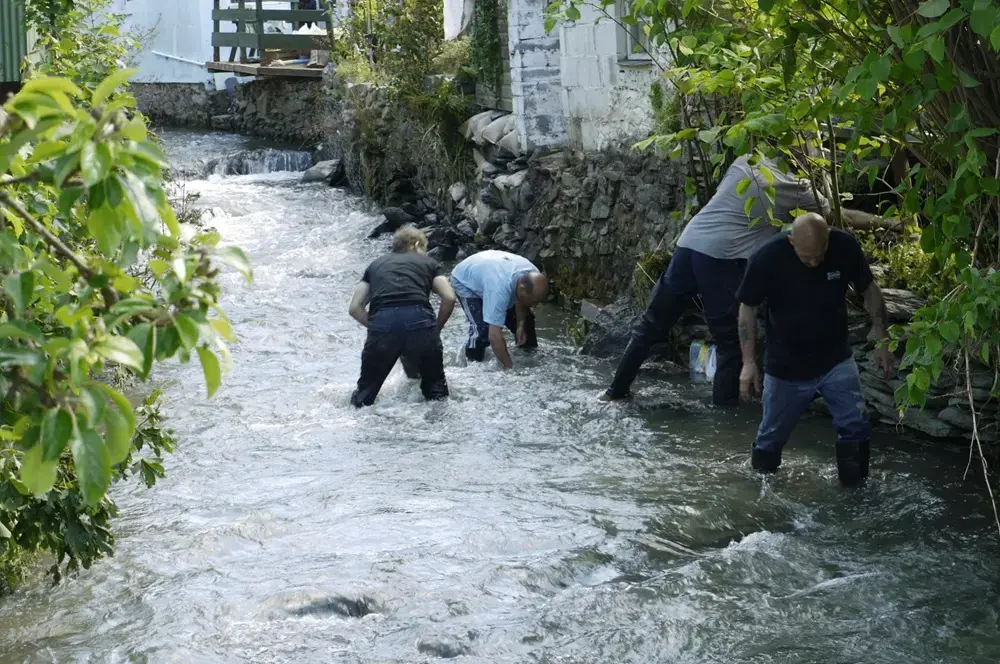
Climate Cymru Wales has issued an urgent warning that unsettled weather is likely to hit the country this autumn and winter, prompting calls for immediate flood preparedness.
El Niño is set to influence global patterns, and forecasters predict a milder, wetter and windier start to the season for the UK, although the exact timing of any flood remains uncertain.
Natural Resources Wales (NRW) estimates that around 275,000 properties across Wales are currently at risk of flooding, yet only a small proportion of those eligible have signed up for flood warnings.
NRW stresses that signing up for alerts and establishing a household emergency plan can make a decisive difference when water levels rise.
Beyond individual action, the agency urges communities to embed preparedness into everyday life, treating it as essential as knowing one’s neighbours or using the village hall.
In Cardigan, residents and businesses along the River Teifi have produced a community flood plan, agreeing on response steps and neighbourly support when warnings are issued.
The town’s mayor has fitted a flood‑door and flood‑gate to her own home, demonstrating personal commitment to the scheme.
Similarly, Pontcanna in Cardiff has devised a flood plan for the River Taff and created an online resource page offering templates for flyers, leaflets and emergency plans.
These examples illustrate a model of resilience where people understand their streets, identify local risks and act before an emergency begins.
Scotland already supports more than 300 community resilience groups, providing resources to assess risks, identify vulnerable residents and organise contact lists.
The National Flood Forum, a UK‑wide body that advises and assists flood‑prone communities, has been commissioned by the Welsh Government to develop proposals for a dedicated Welsh Flood Forum.
A fully funded Welsh Flood Forum would help local groups establish practical plans, share experience and connect residents with technical advice and public authorities.
However, reliance on volunteers alone is insufficient; sustained public funding, training and clear responsibilities for local authorities are required to embed resilience across all communities.
Tal‑y‑Bont in Ceredigion offers a long‑term example of upstream work, where after a severe June 2012 flood, residents planted thousands of trees and built willow dams to slow water flow.
The initiative, led by Linda Denton, aims to reduce peak runoff rather than stop water entirely, acknowledging that natural flood management works best as part of a wider strategy.
Ceredigion County Council has welcomed the community effort and is collaborating on a flood‑protection scheme, highlighting the value of partnership between councils and residents.
Nature‑based solutions such as restoring wetlands, planting hedgerows and improving soil health can store water, slow runoff and enhance biodiversity, complementing engineered defences.
Experts stress that moving from isolated projects to catchment‑wide action will require long‑term public investment, robust monitoring and cooperation among councils, farmers, landowners and environmental groups.
Farmers and landowners need support and fair incentives to manage land in ways that deliver public benefits, ensuring that natural measures are not left to private goodwill alone.
Vulnerable groups – older people, those with disabilities, low‑income households and families with young children – face particular challenges during floods, making accessible warnings and local support networks essential.
NRW advises that a warning is of little use if residents cannot act on it, underscoring the need for practical assistance, temporary accommodation and repair funding for those most at risk.
Four priorities emerge: a properly resourced Welsh Flood Forum, a concerted drive to increase flood‑warning sign‑ups, sustained funding for natural flood management alongside engineered defences, and flood plans that prioritise vulnerable residents.
While no strategy can prevent every flood, these measures can reduce avoidable harm, aid community recovery and lessen the impact of the next emergency.
The warning has arrived; the time to act is now, before the autumn rains turn into winter floods.