
Warner slams ‘pathetic’ Test crowds in South Africa
David Warner criticises empty stands at Kingsmead as KZNCU launches review into poor attendance for the Australia series.
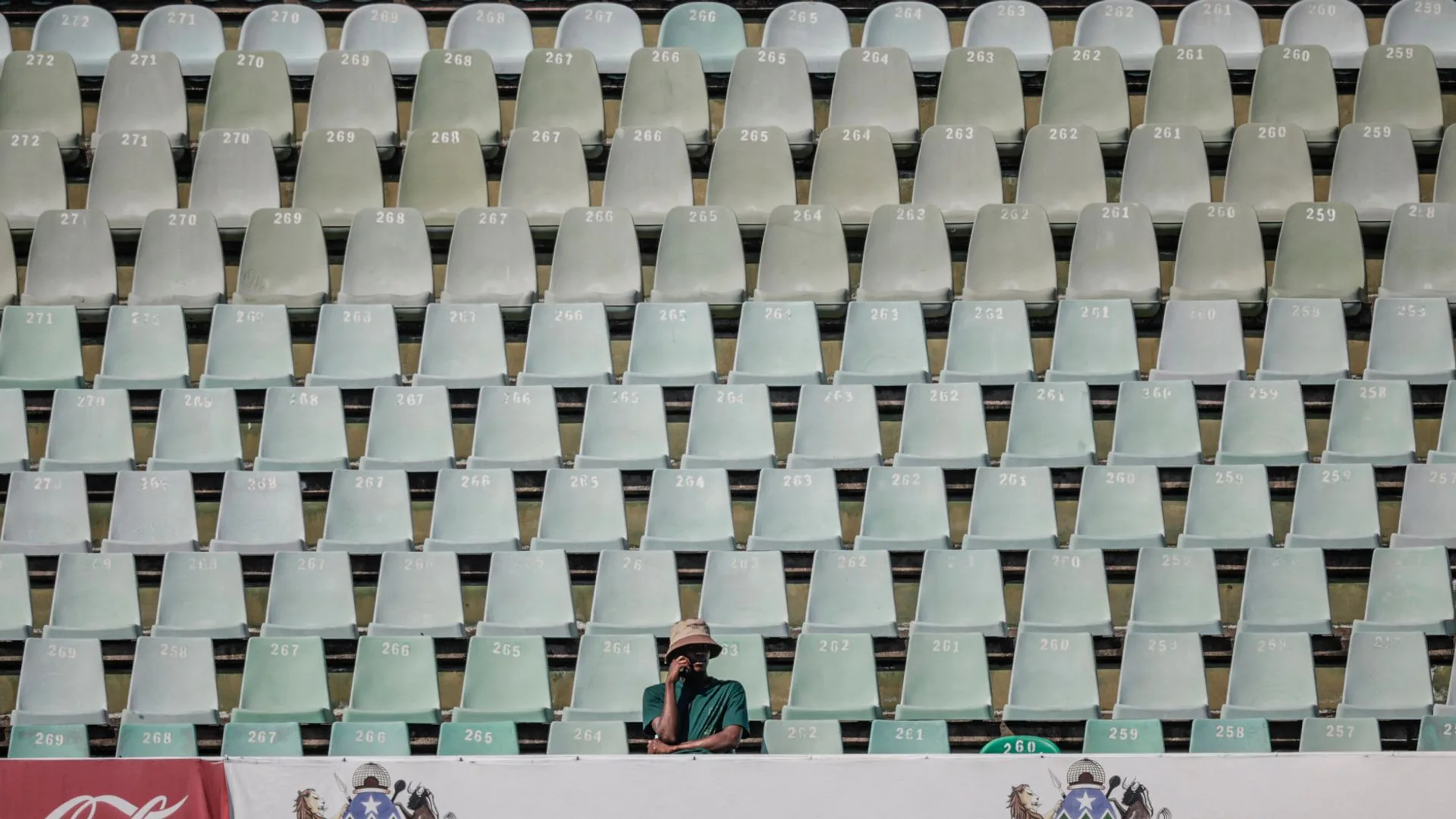
Former Australian opener David Warner has launched a scathing attack on the “pathetic” attendances at the ongoing Test series between South Africa and Australia. The criticism follows a first Test in Durban that saw the iconic Kingsmead ground remain largely empty throughout the five-day fixture. Warner, who is no longer active in international cricket, took to social media on Tuesday to express his disbelief at the lack of fan engagement.
In a pointed post, the former batter questioned the narrative surrounding the format’s popularity. “We keep hearing how important Test cricket is, but where are the fans in South Africa? Warner wrote, highlighting the stark contrast between official rhetoric and on-the-ground reality.
He further noted that “empty stands, no atmosphere, and we’re supposed to believe the format is thriving?
The first Test concluded with South Africa suffering a 214-run defeat to Australia, a result overshadowed by the sparse crowds at the venue. A total of just under 20,000 spectators attended the match across all five days, a figure representing less than a fifth of Kingsmead’s total capacity. This poor turnout marks a significant low for a home fixture involving the Proteas, particularly given the historical context of the series.
The match was South Africa’s first home Test since January 2025 and their first since securing the World Test Championship title. Despite the high-profile nature of the encounter, large sections of the ground remained vacant, prompting immediate scrutiny from cricket administrators and former players alike. The second Test in Gqeberha has also struggled to attract significant crowds, with rain-affected play further complicating attendance figures.
In response to the disappointing figures, the Kwa-Zulu Natal Cricket Union (KZNCU) confirmed it would launch a “thorough internal review” into the reasons behind the poor attendance. Heinrich Strydom, the KZNCU CEO, stated that a match of such quality deserved greater support from the public. “A Test match of this quality, featuring the Proteas and Australia, deserved greater support in the stands,” Strydom said in an official statement.
Strydom acknowledged that supporters face competing demands on their time and finances, but emphasised the need to understand what influences their decisions to attend. The union aims to make live cricket a more attractive and worthwhile experience for families and cricket lovers of all ages. This review is part of a broader effort to reconnect with communities and ensure Test cricket remains accessible and engaging.
Warner’s comments have been echoed by other prominent figures in the cricketing world, including former England captain Michael Atherton. Atherton expressed concern on the Sky Sports Cricket Podcast, noting the unique context of the series. “It started on a Friday, was played over the weekend.
It’s the number one and number two ranked teams in the world,” Atherton observed, pointing to the significance of the fixture.
He highlighted that this was the first Test between the two nations in South Africa since the infamous 2018 ball-tampering scandal. “If you can’t drag a crowd in given that context, it’s a worrying sign,” Atherton stated, suggesting the lack of interest is a serious issue for the sport. Warner, who was vice-captain during the 2018 scandal, was banned for one year and barred from future leadership roles after being found to have led the plot to alter the ball’s condition.
The timing of the series has also drawn criticism, as this is the first time in a summer that South Africa is hosting Tests as early as October. Increasing demands on the global cricket calendar have squeezed premier fixtures into shoulder windows, moving them away from the traditional prime Test period between November and March. The introduction of the SA20 league, which occupies most of January and February, along with the start of the IPL in March, has further limited the space for Test cricket.
Fellow former England captain Nasser Hussain offered a more nuanced perspective, arguing that Test cricket is not dying despite the empty stands. “It plays into the narrative that Test match cricket is dying when you watch that and see no one there. But I don’t think that it is dying,” Hussain said.
He pointed to similar situations in India and Pakistan where crowds were not full, yet the sport remained deeply cherished by fans.
Hussain also raised concerns about the playing conditions, specifically the issue of bad light forcing play to stop early on day one. “What can we do to make sure that sitting in a stand on a hot day is very much a good experience for the people that have paid their money? he asked, highlighting the frustration of spectators being sent home early due to lighting issues.
As the series continues, the cricketing community faces the challenge of revitalising interest in the longest format of the game.