
New Forest named UK’s best stargazing spot in AA study
AA analysis ranks New Forest top for stargazing, with Pembrokeshire and Bannau Brycheiniog also featuring in the UK top ten.
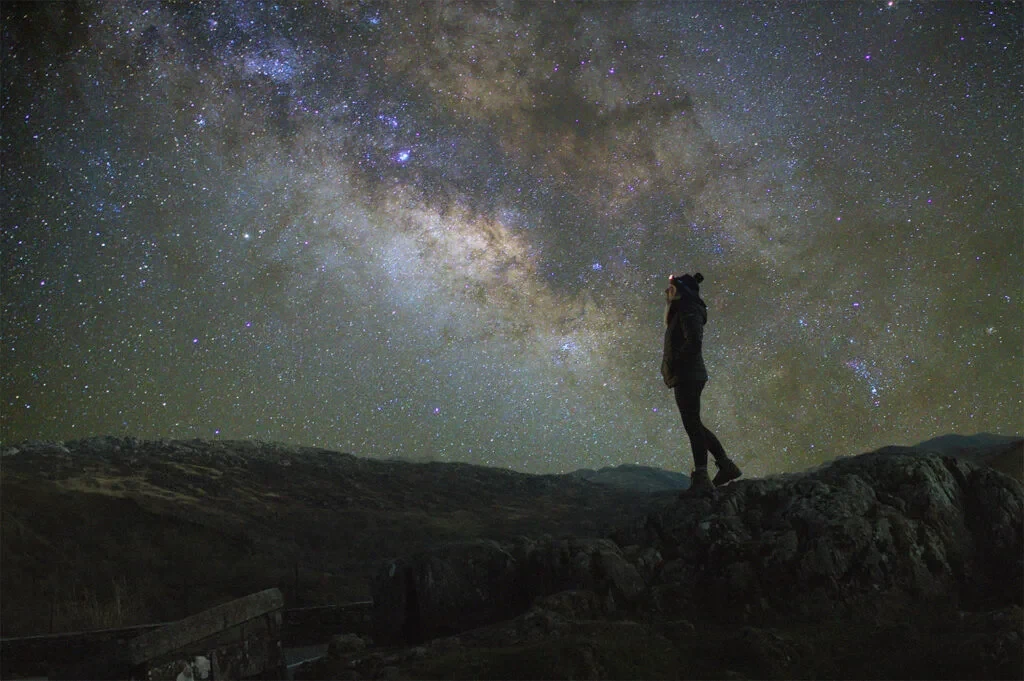
New Forest National Park has been crowned the UK’s premier destination for stargazing, outperforming all other national parks in a comprehensive new analysis. The AA Car Insurance study assessed every UK national park based on critical environmental factors that influence the quality of the night sky. This includes light pollution levels, measured on the Bortle scale, alongside rainfall patterns, cloud cover, and overall air quality.
The research reveals that Southern England has emerged as the standout region for astronomical observation, securing three of the top four positions in the national rankings. New Forest National Park took the top spot with an impressive score of 86.51 out of 100, benefiting from lower light pollution and favourable atmospheric conditions. South Downs National Park followed closely behind with a score of 84.96, while the Broads secured third place with 84.81.
Wales held its own in the national competition, with two of its national parks featuring in the top ten rankings. Pembrokeshire Coast National Park achieved a strong seventh position with a score of 68.41, highlighting its potential for clear night skies. Bannau Brycheiniog National Park also made the top ten, taking tenth place with a score of 43.20.
Eryri, the third Welsh national park, placed just outside the top ten at number 12 with a score of 33.41. Despite not reaching the top tier, these results confirm that Wales offers significant opportunities for stargazers seeking to escape urban light pollution. The rankings underscore the importance of local weather patterns and geographical features in determining the visibility of celestial objects.
Interest in stargazing has seen a dramatic surge in recent months, driven partly by the recent partial solar eclipse that captivated millions of viewers. Google Trends data indicates that searches for “stargazing locations near me” have increased by 100% over the past year. This sharp rise in digital interest reflects a broader cultural shift towards outdoor astronomical activities.
Further data shows that searches for “go stargazing” have risen by 50%, while queries for “stargazing UK” are up by 30%. As autumn approaches and nights grow longer, the opportunity to experience the outdoors after dark becomes more appealing. Many enthusiasts note that familiar constellations and meteor showers can be enjoyed with the naked eye, provided cloud cover remains low.
Jack Cousens from AA Car Insurance noted that impressive night skies are not exclusive to the most remote parts of the country. He stated, “Our research shows that you don’t necessarily have to travel to the most remote parts of the country to experience an impressive night sky.” This finding suggests that accessible adventures under the stars are available to a wide demographic across the UK.
Scotland, traditionally renowned for its dark skies, ranked lower overall due to the combined impact of high rainfall and persistent cloud cover. Cairngorms National Park placed 11th with a score of 33.77, while Loch Lomond & The Trossachs National Park finished 15th with 15.16. These results highlight how meteorological factors can significantly impact the likelihood of clear viewing conditions, regardless of a region’s reputation for darkness.
With the return of darker evenings, safety considerations for night-time travel have become increasingly relevant for those planning stargazing trips. Jack Cousens warned that reaching optimal viewing locations often involves driving on rural roads that are unfamiliar, narrow, and poorly lit. He advised that drivers must ensure their journey is part of the plan and that they are comfortable driving home when visibility is reduced.
Before setting off, drivers are urged to tell a friend or family member their destination and check the weather and road conditions. It is also recommended to pack essentials for keeping warm, plan the route carefully, and ensure there is a safe and legal place to park. Allowing extra time, reducing speed, and staying alert can make a significant difference, particularly on roads where wildlife may be active.
The full rankings reveal that eight of the top ten positions were held by English national parks, with Dartmoor, North York Moors, and Exmoor also featuring prominently. Northumberland National Park came eighth with a score of 52.79, while Peak District National Park rounded out the top ten at ninth with 51.18. These findings provide a clear guide for enthusiasts looking to plan their next astronomical excursion.
As the autumn season progresses, the combination of longer nights and clearer skies in certain regions offers a prime window for observation. The data suggests that careful planning and awareness of local conditions are key to a successful stargazing experience. Whether in the woodlands of the New Forest or the coastlines of Pembrokeshire, the UK offers diverse opportunities to connect with the night sky.