
Welsh NHS pays out £600m in claims, opposition calls health emergency
Over £600m in clinical negligence payouts in five years sparks debate on NHS sustainability and possible health board reforms in Wales.
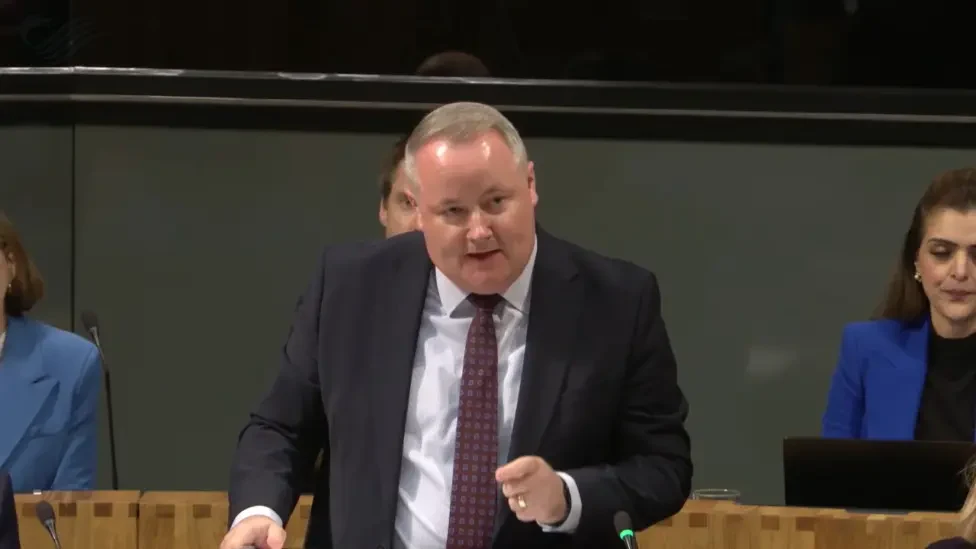
More than £600 million has been paid out in clinical negligence and personal injury claims against the Welsh NHS over the past five years, a sum that has reignited calls for a health emergency in Wales.
The figure was disclosed in the Senedd on Tuesday 20 October by Conservative Senedd leader Darren Millar, who described the total as “eye-watering” and warned it signals a deepening crisis within the health service.
Millar argued that each compensation payment represents a lost opportunity to improve patient care, stating: “Every pound paid in compensation is a pound that could have been invested in delivering better care, better facilities for patients, and better outcomes for them across the country.”
He urged the Welsh Government to declare a formal health emergency, insisting that prevention of future tragedies must become the top priority for policymakers.
First Minister Rhun ap Iorwerth acknowledged that the payouts constitute money diverted from “tackling serious issues”, but rejected the demand for an emergency declaration, saying that giving the situation a title “doesn’t make a difference.”
He added: “There will always be mistakes made, by very, very well‑meaning and professional health workers, and the compensation system exists in order to address that and pay recompense where that is necessary.”
The First Minister stressed that his administration is determined to address the underlying causes of unsustainability, declaring: “But we are a government that is determined to root out those issues that are creating the unsustainability of the NHS, and perhaps the unsustainability that is leading to problems that could end up with a compensation payout.”
He highlighted recent financial investments aimed at speeding patient flow, noting: “What we have done since coming into government, in that very short time, is make that financial investment in speeding up flow through the system.”
Rhun ap Iorwerth also outlined forthcoming governance changes, asserting: “The kind of governance changes that we believe will lead to better management and, hopefully, if we get this right, to reducing the number of errors that happen within the health service, and improving our ability to target what is going wrong across the health service.”
He indicated that these reforms aim to strengthen oversight and enhance the NHS’s capacity to deliver safe, high‑quality care across Wales.
Liberal Democrat leader Jane Dodds questioned the First Minister on whether any restructuring of health boards was being considered, referencing his earlier criticism of Betsi Cadwaladr University Health Board as “too large, too unwieldy and too distant from the people it serves.”
Dodds also noted Plaid Cymru members’ suggestion to merge Powys Teaching Health Board with either Hywel Dda or Betsi Cadwaladr, and responded: “That idea was nowhere in your manifesto, so I’m seeking to put on record that this is not something that Plaid Cymru are intending to do.”
Rhun ap Iorwerth clarified that the government has no immediate plans to restructure health boards, but is seeking “better partnerships” between them to improve service delivery.
He concluded that while the current focus remains on delivering a more sustainable NHS, any future changes to board organisation will be considered only if they support that overarching goal.
The debate over compensation payouts, governance reforms and the possible reshaping of health‑board structures underscores the pressure on Welsh officials to safeguard the NHS’s long‑term viability while addressing the financial burden of past claims.