
Council to tighten monitoring of historic waste sites after documentary
Wrexham Council backs motion to boost surveillance of former industrial sites, amid resident concerns and calls for individual investigations.
Wrexham County Borough Council has voted to tighten monitoring and management of historic industrial waste sites after the BBC documentary Buried, fronted by Michael Sheen, highlighted long‑standing contamination concerns.
The motion, tabled by the council’s Independent Group, was amended by Plaid Cymru and Labour before being passed unanimously by full council on Wednesday.
It obliges the authority to review and upgrade surveillance of legacy sites such as the Llwyneinion Acid Tar Lagoon and other former Monsanto‑linked locations across the borough.
Councillors stressed that the new regime will focus on regular testing of soil, water and air, and will publish results alongside safe‑limit thresholds for any chemicals detected.
“I feel that the spotlight on Wrexham at the moment is very misleading in places,” said Independent Group councillor Rondo Roberts, a former water‑treatment controller. “Every area that has been affected needs to be investigated individually.”
Roberts added that the programme had generated “a lot of scaremongering… a lot of misinformation, a lack of clarity on what they have been pertaining to be fact.” He urged that each dumping site be examined on its own merits to identify responsible businesses.
Local residents have rallied under the Monsanto Contamination Action Group, launching a petition that calls on the Welsh Government to order comprehensive blood, soil and water testing in the most affected zones.
Councillor Derek Wright, representing Cefn, recounted personal ties to the area’s industrial past. “I have lived in the Cefn area all my life,” he said, noting that his brother died of bowel cancer in 2000, a loss he believes is linked to Monsanto’s former operations.
Wright described decades of “unmentionable gas leaks” in the 1950s and 1960s that left residents “choking as though all the air had been taken out of the atmosphere.” He said the site’s closure in 2011 has not alleviated community anxieties.
He identified roughly ten locations that, in his view, require testing and public reporting of safe limits, adding that Monsanto only began using PCBs in the 1940s, meaning other carcinogenic substances may also be present.
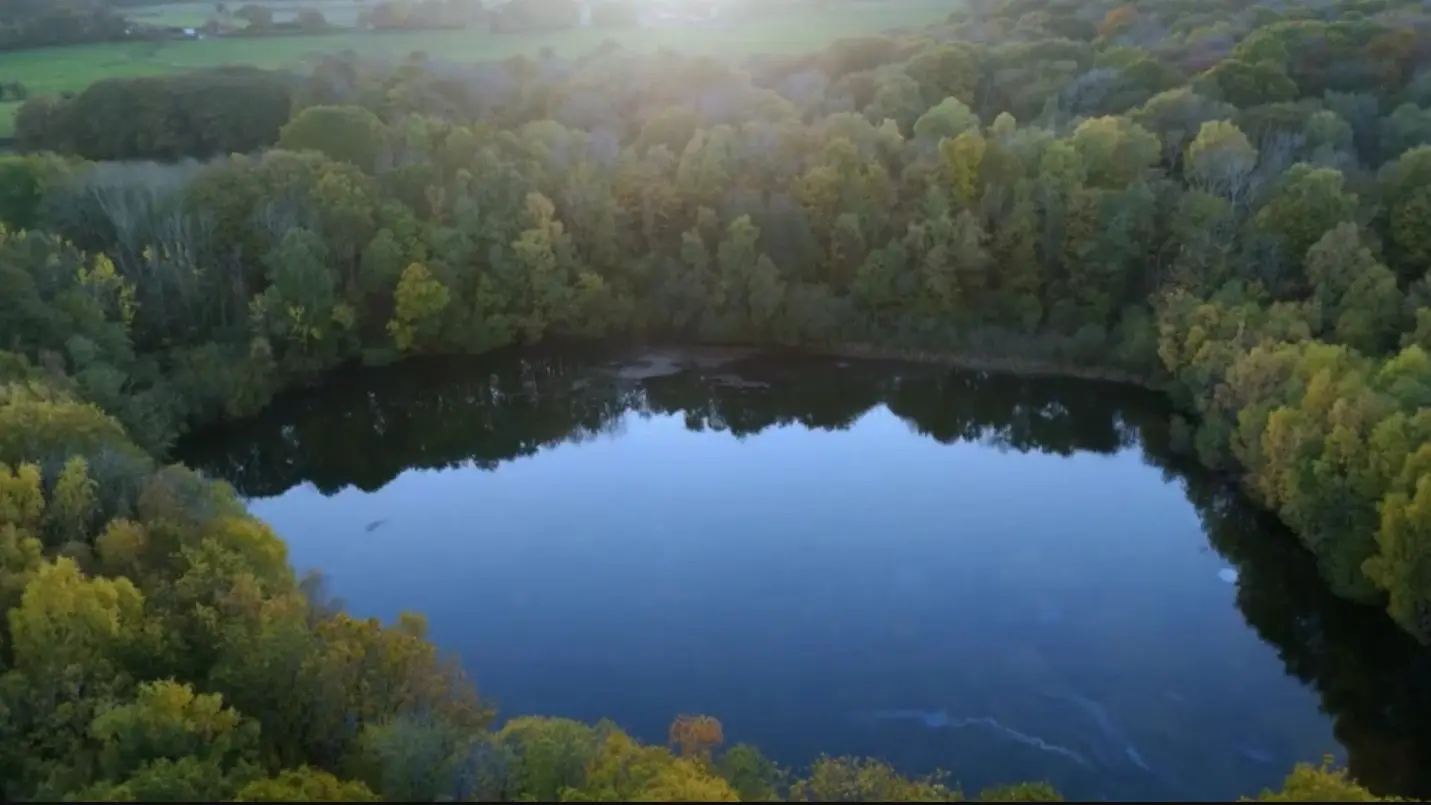
One of the sites highlighted is a fenced‑off pond near Ty Mawr Country Park, whose three‑foot barrier was renewed in 2014 but lacks signage about the chemicals it may contain.
Wright warned that the pond has become a public footpath, situated less than 130 yards from the River Dee, with dogs and children crossing it despite “no publicised tests of what is in those lagoons.”
Both Roberts and Wright agreed that the documentary had, at times, overstated the severity of the situation, and that a realistic, evidence‑based approach is essential.
The council’s enhanced monitoring plan will be overseen by its environmental health team, which will coordinate with Natural Resources Wales to ensure compliance with national standards.
It will also commission an independent audit of historic waste sites, with findings to be released to the public within twelve months.
Residents and advocacy groups have welcomed the move, saying it offers a transparent pathway to address lingering health worries while avoiding blanket accusations.
Wrexham Council has indicated that any remedial action will be proportionate to the level of contamination uncovered, and that further funding will be sought from the Welsh Government to support long‑term remediation where required.
The decision marks the first formal council response to the concerns raised by the documentary, signalling a shift from reactive media coverage to systematic, locally‑driven environmental oversight.