
Flintshire’s last public toilets face closure as transfer stalls
Flintshire Council’s plan to hand over three public toilets to local councils stalls over lease disputes and land‑ownership issues, risking permanent closures.
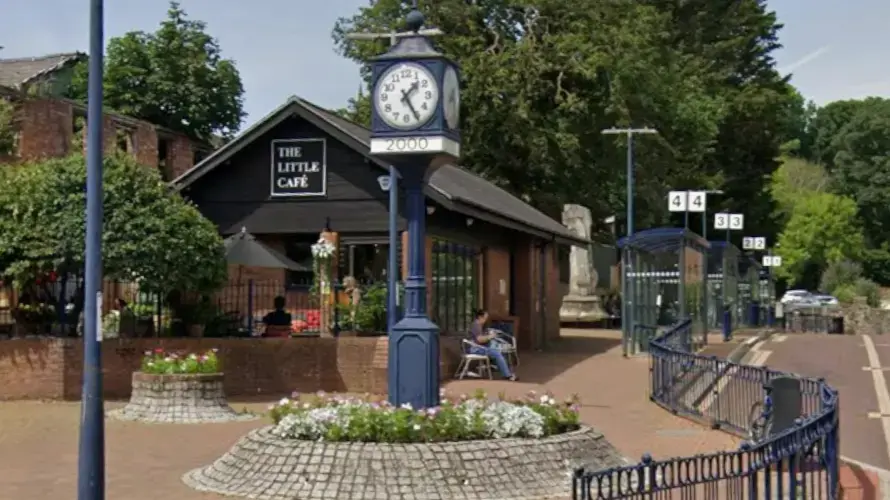
Flintshire’s last public toilets face closure as transfer stalls, putting the facilities at Mold Bus Station and in Holywell and Talacre under renewed threat.
The county council’s plan to hand over the three sites to town and community councils via Community Asset Transfers (CAT) has hit a series of obstacles, prompting councillors to review the situation at the Environment and Economy Overview and Scrutiny Committee on Tuesday, 6 October.
At Mold, the town council is negotiating to acquire the public conveniences at the bus station but insists the lease must also cover the adjoining Little Café.
Council officials argue the café’s revenue would make the toilet operation financially viable, while Flintshire County Council has signalled that the inclusion of the café “is not currently being supported by the Council”.
In response, Mold Town Council warned that “the exclusion of the café may significantly influence its willingness to proceed with the CAT arrangement, which potentially places the future transfer opportunity at risk”.
Both Holywell and Talacre are further behind, with initial work uncovering land‑ownership complications that will require the properties to be correctly registered.
Officials estimate the registration process could take around 18 months, extending the timeline for any transfer.
All three sites are slated for a short closure while £240,000 of Pride in Place funding is used to upgrade and refurbish the facilities.
However, Flintshire Council has only allocated £72,000 for operating costs this financial year, leaving a projected overspend of £35,000 and an additional £107,000 pressure for 2027/28.
Chief Officer for Streetscene and Transportation Katie Wilby warned, “There is currently no confirmed funding provision for the operation of the facilities following completion of the Pride in Place programme unless Community Asset Transfer arrangements or an alternative operating model can be secured.”
She added, “This creates a potential disconnect between the capital investment programme and the future operation of the facilities.”
Wilby further cautioned that without a sustainable operating model, the council could end up “successfully deliver[ing] the capital improvements to the facilities whilst still facing future decisions regarding the operation, management or potential closure of the facilities”.
The council’s strategic dilemma centres on whether to continue investing in the upgrades if no long‑term management solution is found, or to fund the toilets directly to keep them open.
A February consultation revealed that 77.6 % of residents and businesses across the three areas would support keeping the toilets open, even if a usage fee were introduced, and the majority backed transfer of ownership to local councils.
The committee’s findings will be forwarded to the cabinet, which is expected to make a final decision on 13 October.
If the CAT proposals prove unachievable and no alternative funding emerges, the three remaining public conveniences could face permanent closure, leaving a significant gap in essential services for residents and travellers across Flintshire.