
NRW to approve Kronospan OSB expansion in Chirk
Natural Resources Wales reviews Kronospan’s permit variation for a new OSB line, upgrades and site expansion, inviting public comments before a final decision.
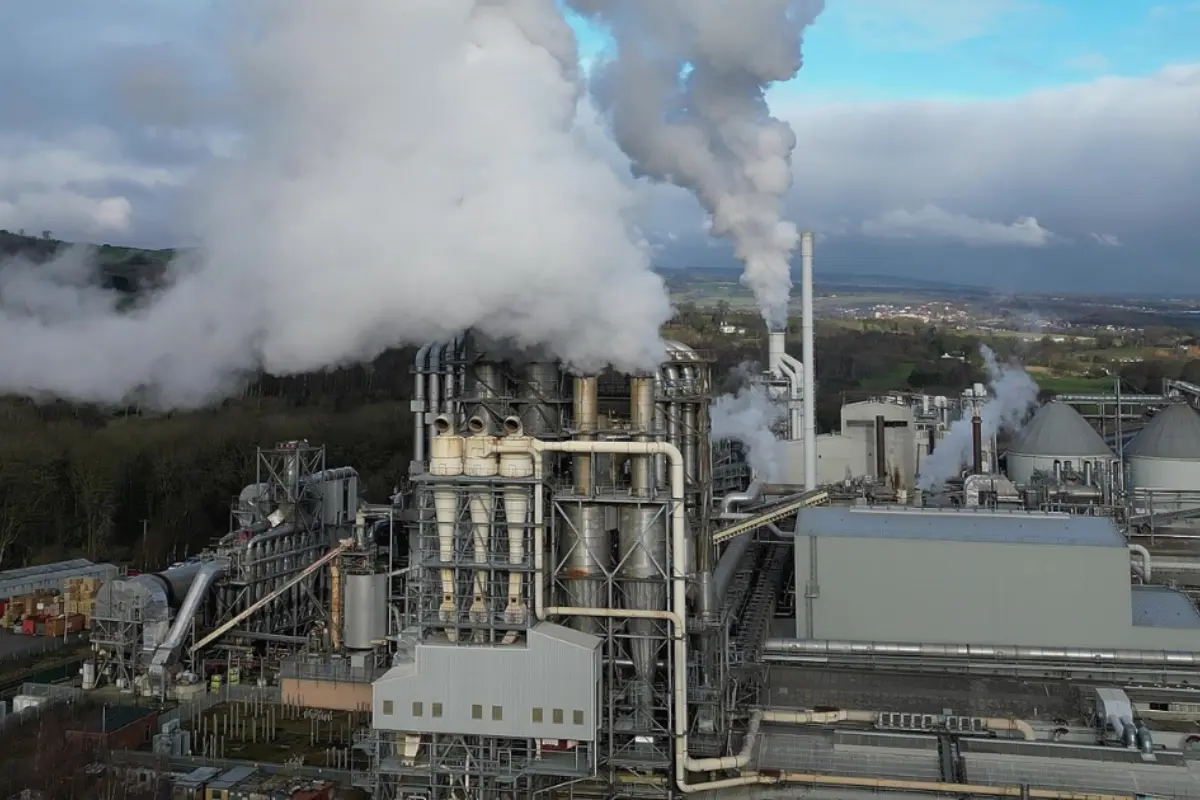
Natural Resources Wales (NRW) is poised to grant a variation to the environmental permit of Kronospan’s Chirk plant, paving the way for a new oriented strand board (OSB) production line.
The wood‑based panel maker has submitted an application to amend its existing permit, seeking approval for upgrades to dryers, expanded biomass handling, additional raw‑material storage and the introduction of hydrogen peroxide for odour control where required.
Alongside the OSB line, the proposal includes extending the site boundary to accommodate a new access road, a lorry park and surface‑water wetlands, all intended to support the increased output.
NRW has completed a detailed assessment of the submission and, according to permitting service manager Nicholas Bettinson, “we are minded to grant the permit variation”.
He added that the regulator will invite comments from the public and interested parties before reaching a final decision, stressing that “any relevant comments received during the consultation period will be carefully considered”.
The draft permit outlines conditions that must be satisfied to ensure the expanded operations do not cause significant pollution or pose a risk to human health or the environment.
Kronospan’s Chirk facility currently produces particleboard; the addition of OSB is expected to diversify its product range and increase capacity for the construction sector.
Environmental groups and local residents have been urged to review the draft variation notice, the draft decision document and supporting materials, all of which are hosted on NRW’s online consultation portal.
NRW’s assessment considered potential impacts on air quality, water resources and waste management, with particular focus on the handling of biomass residues and the proposed use of hydrogen peroxide to mitigate odour emissions.
The regulator will also examine the proposed surface‑water wetlands, which are intended to enhance drainage and provide ecological benefits alongside the expanded infrastructure.
Should the variation be approved, Kronospan will need to demonstrate compliance with the stipulated conditions, including regular monitoring and reporting to NRW.
The decision will be taken after the consultation period closes and all feedback has been evaluated, ensuring that the expansion aligns with Wales’ environmental standards and sustainability objectives.
Local councillors have highlighted the potential economic benefits of the expansion, noting that increased production could create additional jobs while reinforcing the region’s manufacturing base.
NRW’s final determination will be published on its website, where stakeholders can access the full decision and any accompanying conditions.
As the consultation proceeds, the balance between industrial growth and environmental protection remains at the forefront of the discussion surrounding Kronospan’s proposed OSB line.