
Powys to offer funded childcare for two‑year‑olds from 2027
From January 2027, Powys families can claim up to 12.5 hours of funded early years care per week for children aged two, part of a Welsh Government expansion.
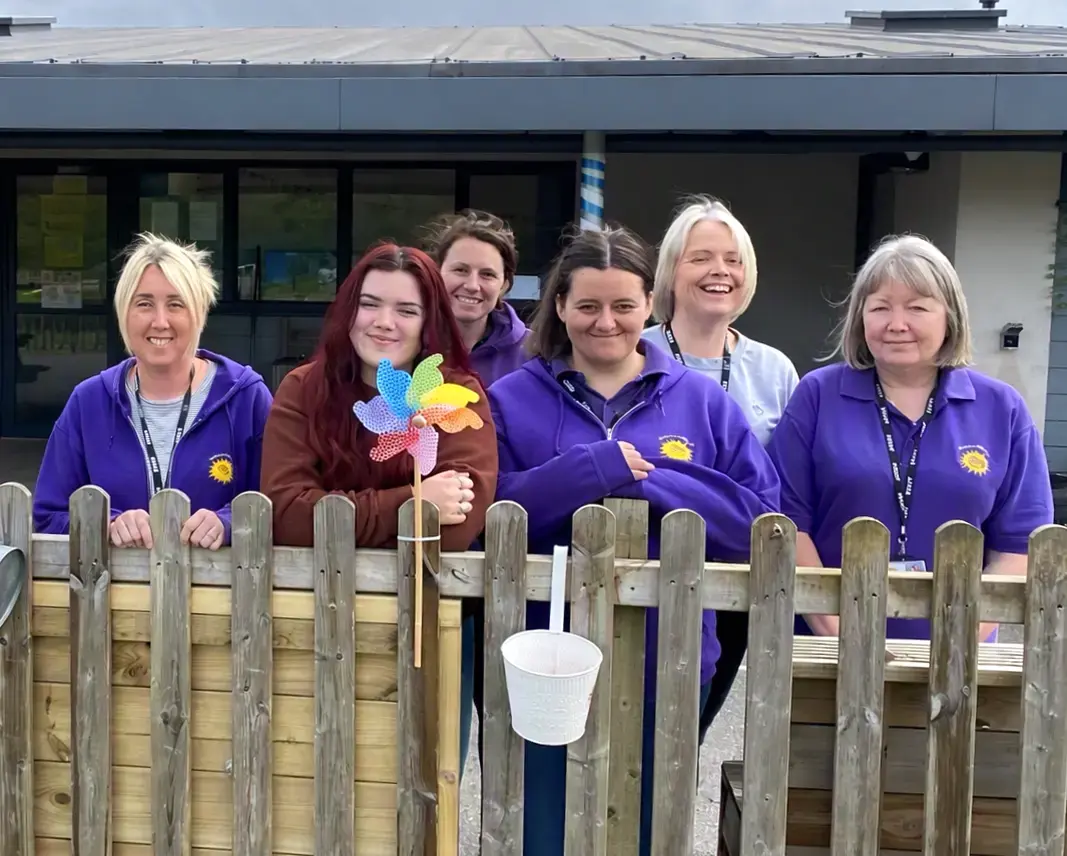
From January 2027, parents of two‑year‑olds across Powys will be able to claim up to 12.5 hours of funded childcare each week for 39 weeks of the year.
The scheme, which forms part of the Welsh Government’s wider drive to broaden early‑years support, will be available regardless of a family’s postcode, removing the location‑based eligibility that has limited access in rural areas.
Powys County Council says the funding will be delivered through a mix of existing and new early years settings, including Welsh‑medium provision, to ensure families can choose a setting close to home.
“This is excellent news for families across Powys,” said Councillor Sandra Davies, the council’s cabinet member for future generations.
She added that the funding “will help reduce childcare costs and make it easier for parents and carers to access employment, training and other opportunities.”
The council is currently assessing demand and finalising delivery arrangements, with a view to opening applications later in the year.
Eligibility will be based on a child’s second birthday, after which the funded entitlement of up to 12.5 hours per week will apply for the next 39 weeks.
“The funded childcare will also give children the opportunity to learn, play and develop in high‑quality early years settings, helping to give them the best possible start in life,” Ms Davies said.
Local providers, such as the Flying Start Nursery at Ysgol Gymraeg Dyffryn y Glowyr, are preparing to support the expanded offer in the Ystradgynlais area.
Powys County Council has confirmed that the funding will be sourced from the Welsh Government’s early years programme, which aims to raise the proportion of children in Wales who receive high‑quality early education.
Under the new arrangement, families will not need to meet a means‑test or demonstrate a specific income level; the entitlement is universal for all two‑year‑olds.
The council’s assessment of demand includes a focus on rural communities, where travel distances to childcare settings have traditionally been a barrier.
Providers are being consulted on capacity, staffing and the delivery of Welsh‑medium sessions to meet the linguistic needs of the county’s bilingual population.
“We are working closely with childcare providers and the Welsh Government to make sure families across Powys, including those in our rural communities, can benefit from this important investment,” Ms Davies said.
Powys County Council will publish detailed guidance on eligibility, application procedures and a list of participating providers before the opening of the application window.
Parents will be able to apply online, with the council promising a straightforward process designed to minimise paperwork.
The funding model mirrors similar schemes already operating in other Welsh regions, where early years support has been linked to higher rates of parental employment and reduced reliance on social benefits.
Welsh Government officials have highlighted the importance of early years provision in narrowing the attainment gap between children from different socioeconomic backgrounds.
Local advocacy groups have welcomed the move, noting that the universal approach removes the stigma often associated with means‑tested childcare support.
“Having guaranteed access to quality early years care from the age of two will give families peace of mind and allow parents to return to work or study with confidence,” said a representative of a Powys family support charity.
The council expects the new funding to be fully operational by the start of the 2027 financial year, pending the completion of provider contracts and the rollout of the application platform.
Stakeholders will be monitored throughout the first year of delivery to ensure the scheme meets its targets for uptake and quality.
Powys residents can look forward to a more equitable early years landscape, with the promise of reduced childcare costs and greater choice of settings for their children.
Further updates will be provided as the council finalises the rollout timetable and publishes the list of approved early years providers.