
Tintern Abbey named among Britain’s top ten monastic ruins
Founded in 1131, Tintern was the second Cistercian abbey established in Britain, and its surviving fabric largely dates from an ambitious rebuilding programme in the late‑13th century. The…
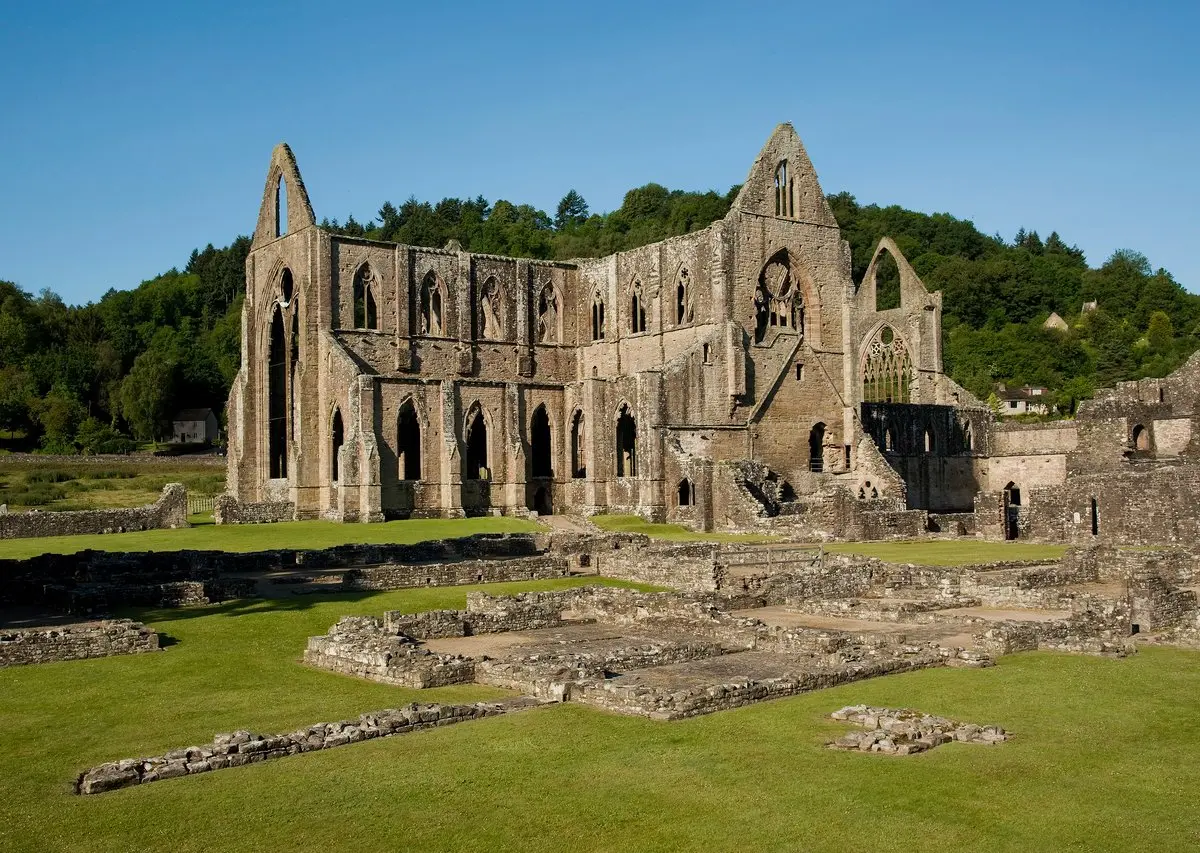
Tintern Abbey has been listed as one of Britain’s ten most impressive historic monastic sites in a newly published travel feature. The Cistercian ruin, perched on the banks of the River Wye in Monmouthshire, was praised for its dramatic riverside position and striking Gothic architecture.
Founded in 1131, Tintern was the second Cistercian abbey established in Britain, and its surviving fabric largely dates from an ambitious rebuilding programme in the late‑13th century. The feature highlighted the abbey’s Great West Front and the open‑air tracery of the East Window as exemplars of Decorated Gothic style.
Managed by Cadw, the site attracts visitors from across the Wye Valley and beyond, remaining one of the region’s most recognisable historic attractions. Its inclusion alongside Fountains, Whitby, Glastonbury and several Scottish Border abbeys underscores the national significance of the Welsh ruin.
Writers and artists have long been drawn to Tintern’s picturesque setting; William Wordsworth’s 1798 poem “Lines Composed …” famously references the abbey. J.
M. W.
Turner also captured the ruins, his watercolours depicting the interplay of light and stone that continues to inspire visitors. The travel feature described Tintern as the “crowning jewel of Welsh monastic architecture”, noting how the densely wooded valley slopes frame the stonework.
Tourists can explore the extensive cloister, chapter house and the remains of the infirmary, all set against the sweeping river landscape. Recent visitor data show steady footfall throughout the year, with peak numbers in summer months when the valley’s walking routes are most popular.
Local businesses report that the abbey’s heightened profile contributes to the wider Wye Valley economy, linking heritage tourism with outdoor recreation. Cadw officials said the recognition reinforces the importance of ongoing conservation work that stabilises the stonework and protects the surrounding woodland.
The travel feature selected sites based on architectural merit, historical importance and the dramatic quality of their settings, placing Tintern at the top of the Welsh shortlist. Other abbeys featured included Rievaulx, Bolton Priory, Kirkstall, Melrose, Jedburgh and Dryburgh, each noted for unique contributions to Britain’s monastic legacy.
By spotlighting Tintern Abbey, the feature adds to a growing narrative that Wales’ historic sites are integral to the nation’s cultural tourism offering.