
Future Skills Summit gathers Wales’ employers and educators
Wales’ Future Skills Summit convenes industry, educators and learners to shape a new national vocational strategy.
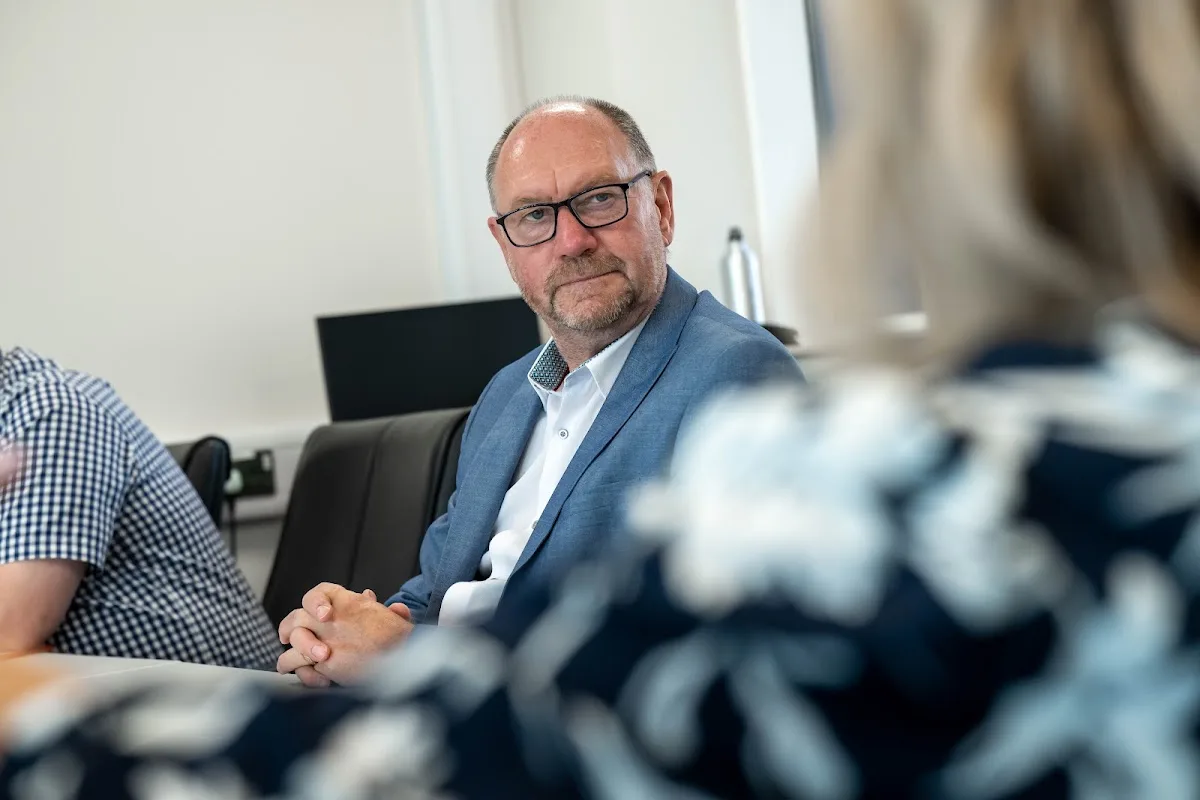
The Future Skills Summit opened its doors at Swansea.com Stadium today, drawing together employers, further and higher education providers, trade unions, learners and training organisations from across Wales.
Representatives from sectors as diverse as construction, aerospace, health, digital and manufacturing – including Airbus, Vodafone, Three and Microsoft – filled the arena for a programme of presentations and workshops.
The gathering marks the first summit of its kind, designed to confront the biggest challenges facing Wales’ skills system and to chart a path toward a more responsive workforce.
Delegates are reviewing early findings from a government‑commissioned skills audit that maps current and future labour market needs throughout the nation.
Those insights are feeding directly into discussions that will shape a new national Vocational and Skills Strategy, a cornerstone of the Welsh Government’s drive to boost the economy.
Deputy Minister for Skills and Tertiary Education Cefin Campbell addressed the crowd, saying: “This Summit brings together the people who know our skills system best and their insight and experience will be invaluable.” I want to thank everyone who has given their time today, our employers, learners, colleges, universities, and training providers from every part of Wales.
Today isn’t just about talking, it’s about turning insight into action. Together, we’re shaping a skills system that is responsive to the needs of our economy and communities, and that gives every learner the opportunity to succeed, whatever path they choose.”
Campbell’s remarks underscored the government’s intention to move beyond dialogue and into concrete measures that align education with industry demand.
Across the stadium, workshops tackled topics such as digital upskilling, green technology training and the integration of vocational routes into higher education pathways.
One session highlighted the need for greater collaboration between universities and apprenticeships to close the skills gap in advanced manufacturing.
Another panel explored how digital literacy programmes can be scaled to support small and medium‑size enterprises in rural communities.
Trade union representatives called for stronger protections for learners undertaking work‑based training, citing concerns over pay and workplace safety.
Employers from the aerospace sector warned that a shortage of specialised technicians could jeopardise future contracts with international partners.
Meanwhile, a health‑care consortium presented data showing a rising demand for senior care staff, prompting calls for targeted recruitment drives.
Cabinet Minister for Enterprise, Connectivity and Energy Adam Price took the stage later in the day, stating: “If we want to build a stronger Welsh economy, we need a workforce with the skills to match the opportunities of the future.” This is a priority for us, and that’s why we’re acting now.
Whether it’s advanced manufacturing, digital technology, construction or green industries, investing in skills is one of the most important things we can do to support good jobs, attract investment and create opportunity in every part of Wales.”
Price’s comments reinforced the government’s pledge to align funding with sectors identified as growth engines for the Welsh economy.
Attendees noted that the summit’s timing coincides with the rollout of new apprenticeship standards aimed at modernising curricula.
Several university leaders signalled plans to expand joint degree‑apprenticeship programmes, hoping to attract students who prefer a blend of academic study and practical experience.
Industry bodies stressed the importance of lifelong learning, urging policy makers to create flexible credit frameworks that recognise prior learning.
In a closing session, a panel of learners shared personal stories of how upskilling had opened doors to new career opportunities, reinforcing the human impact of the policy discussions.
The summit will continue over the next two days, with further sessions dedicated to funding mechanisms, regional training hubs and the role of digital platforms in delivering education.
Organisers described the event as the start of an ongoing conversation, promising to keep the dialogue open as Wales works toward a skills system that meets the demands of a changing economy.