
Carmarthenshire Council opens consultation on Welsh‑medium primary schools
Four dual‑language primaries in Carmarthenshire may switch to Welsh‑medium teaching, with a public consultation running until 20 October 2026.
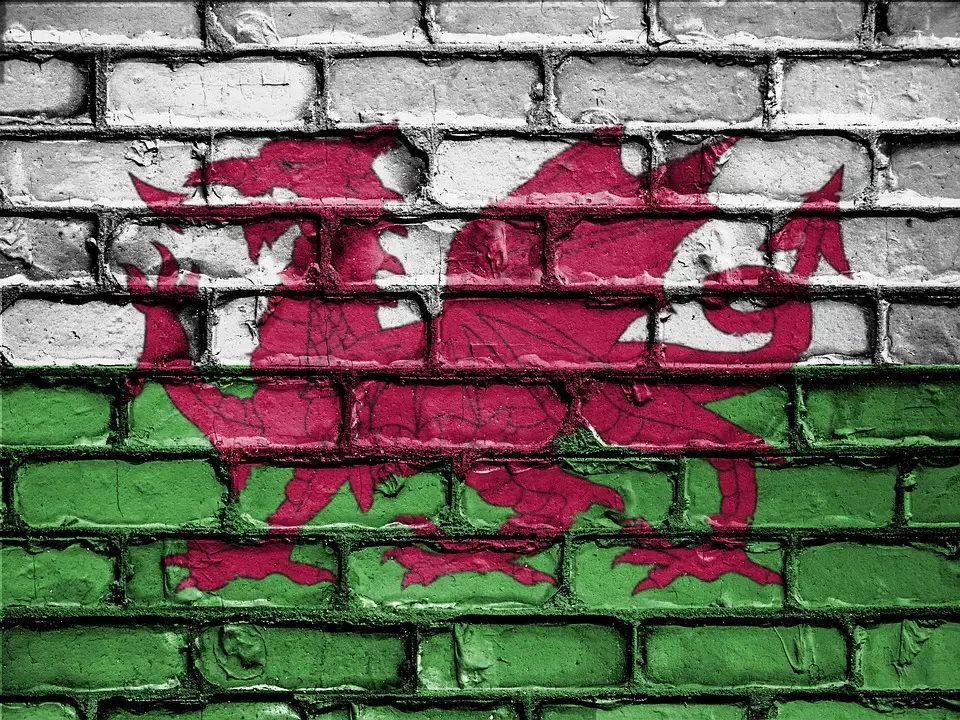
Carmarthenshire County Council has opened a formal consultation to convert four dual‑language primary schools into Welsh‑medium institutions. The schools named are Ysgol Bro Banw, Ysgol Griffith Jones, Ysgol Llandybie and Ysgol Llangynnwr, all of which currently deliver a mixture of English and Welsh instruction.
Under the proposal, pupils would receive the majority of their teaching through the medium of Welsh, with English taught as a second language. The consultation runs until 20 October 2026 and invites parents, carers, staff, governors and other stakeholders to submit comments online, by e‑mail or post.
Submissions are to be addressed to Mr Owain Lloyd, Cabinet Member for Education and Welsh Language, at County Hall, Carmarthen, SA31 1JP. Council officials say the move forms part of the Welsh in Education Policy, or WESP, which sets out a vision for a bilingual Carmarthenshire.
The policy aims to increase the number of children who become confident bilingual speakers and to broaden opportunities inside and outside the classroom. Cllr Glynog Davies said: “If agreed, this proposal will ensure that children currently attending dual language schools Ysgol Bro Banw, Ysgol Griffith Jones, Ysgol Llandybie and Ysgol Llangynnwr will have increased access to Welsh language education.”
He added: “Learning Welsh from a young age gives children the best possible foundation to become confident bilingual speakers and creates new opportunities for them both inside and outside the classroom.”
The council has indicated that after the consultation period a report will be compiled and presented to the full cabinet for a final decision.
No costings have been published, but the council notes that the transition would involve re‑allocating resources such as Welsh‑trained teachers and adapting curriculum materials. Local language advocates have welcomed the proposal, arguing that early immersion is essential for preserving the language in a predominantly English‑speaking nation.
Opponents have raised concerns about the impact on families who prefer a balanced bilingual approach, citing potential disruption for pupils midway through their primary years. The council has promised to consider all feedback, including suggestions on how to support pupils who may need additional assistance during the change.
Stakeholders can also attend a series of virtual information sessions scheduled throughout the consultation period, details of which are posted on the council’s website. The outcome will be watched closely by other Welsh local authorities, many of which are also reviewing their language provision under national targets set by the Welsh Government.
If the proposal is approved, Carmarthenshire could become one of the few counties where a majority of primary schools deliver the curriculum primarily through Welsh. The council’s decision will be announced later in the year, following the cabinet’s review of the consultation report.