
Dentists warn rising costs threaten NHS dental care in Wales
The Welsh General Dental Practice Committee urges the government to match inflation, staffing and overhead rises with funding, warning practices may cut NHS slots without extra support.
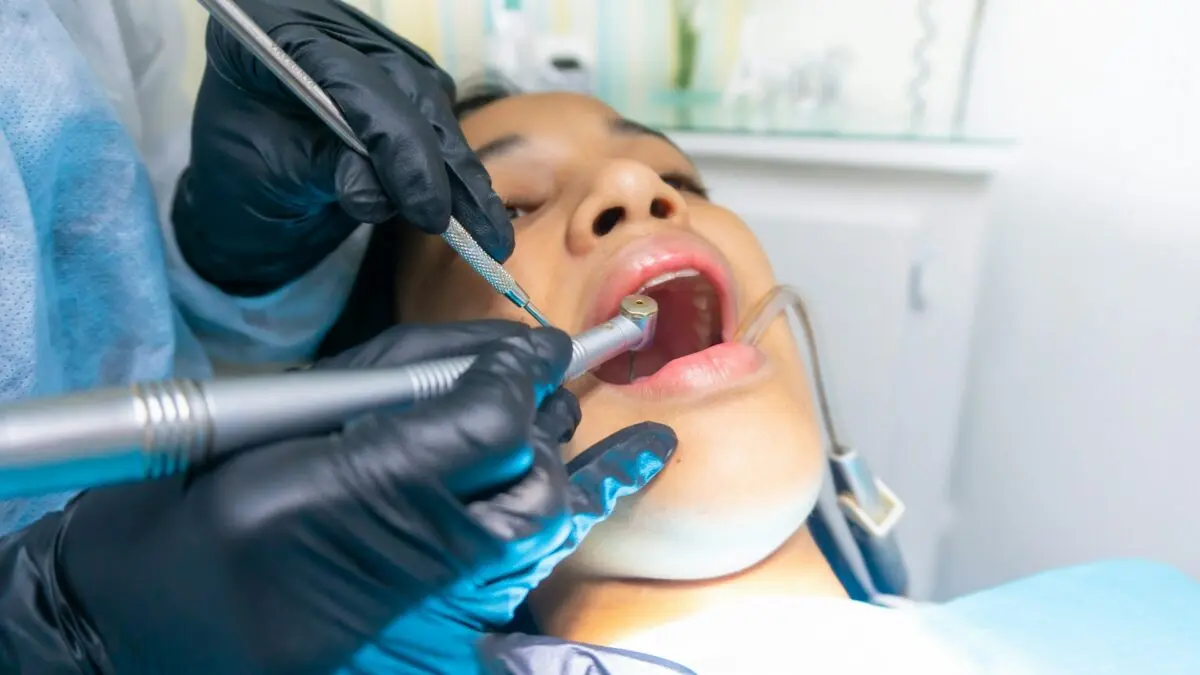
Dentists have warned that escalating operating costs could make NHS dental practices in Wales financially untenable unless funding is increased in line with new responsibilities. The warning comes from the Welsh General Dental Practice Committee (WGDPC) as it prepares for negotiations with the Welsh Government over the 2026‑27 General Dental Services contract.
Mark Mansfield Dental, representing NHS dentists, says the current funding formula does not keep pace with rising expenses such as staff wages, regulatory compliance and energy bills. Vice‑chairs Dan Cook and Katie Davis told the committee that employment costs, inflation and a shortage of qualified staff are squeezing practice margins.
“We are calling for a clear approach that recognises both workforce pay and the realities of running a dental practice,” they said. “This would allow practices to remain financially viable while rewarding the people who deliver NHS care.”
The WGDPC argues that headline funding increases announced by the government may be absorbed by overheads, leaving little or no improvement in dentists’ take‑home pay.
“NHS dentistry cannot remain sustainable if practices are expected to do more while receiving less in real terms,” the vice‑chairs added. The committee wants any pay award recommended by the Review Body on Doctors’ and Dentists’ Remuneration to be passed directly to the dental workforce, separate from funding for overheads.
It is also pressing for adjustments to National Insurance contributions, the National Living Wage and other statutory employment costs that have risen sharply in recent years. “If government expects practices to deliver more, it must provide the means to do so,” the vice‑chairs said.
Recent changes to the Welsh dental contract have added treatment targets and administrative duties, which the committee says must be matched by additional investment. The WGDPC is calling for a revised method of measuring practice expenses, arguing that current inflation indices do not capture the steep rise in materials, equipment and energy prices.
It says the existing inflation measure understates the true cost of complying with health‑service regulations and maintaining modern dental technology. Over the past decade, pay settlements for NHS dentists have often lagged behind inflation, eroding the real value of earnings and fuelling recruitment and retention problems.
Cook and Davis warned that without a long‑term strategy to lift earnings, the shortage of dentists in rural and urban areas is likely to worsen. “Our message to Welsh Government is straightforward: investment in NHS dentistry must reflect the realities of providing care,” they said.
The Welsh Government responded that negotiations will begin shortly, pledging to “facilitate our annual investment in NHS dental services to support patients and the dental profession.”
Officials said the upcoming talks will focus on the annual increase in contract funding, the distribution of any pay award and the need for targeted support for practice overheads. Industry observers note that the outcome of the 2026‑27 talks could set a precedent for how NHS dental funding is calculated across the UK.
If an agreement is not reached, the committee warns that some practices may be forced to reduce NHS slots or shift to private work, limiting patient access to affordable dental care.