
Powys waste route changes cost £94,000 in diverted resources
Council review shows new waste routes in Powys diverted £94,000 of resources, with savings achieved via external funding and missed collections falling.
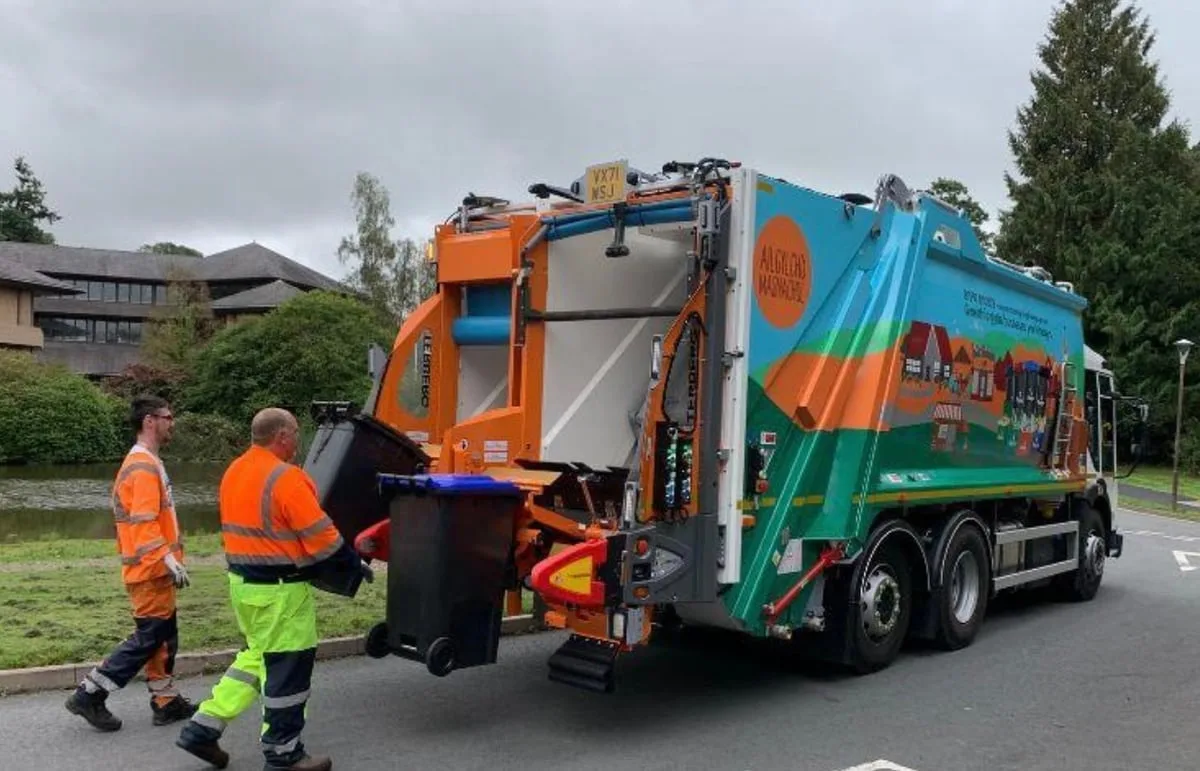
New waste collection routes introduced across Powys in March have diverted an estimated £94,000 of staff and vehicle resources from other duties, a council financial review revealed ahead of a joint governance and audit meeting on Wednesday, 21 October. The figure is described as an “opportunity cost” rather than an additional cash outlay, reflecting resources that could have been deployed elsewhere while the new system stabilised.
The overhaul was originally projected to save £105,000 by reducing the number of vehicles and crews required for routine collections. However, the review notes that the vehicle and crew earmarked for removal were retained as a backup, meaning the anticipated savings were not realised through internal efficiencies. Instead, the council achieved the £105,000 reduction by tapping into new Extended Producer Responsibility (EPR) funding, which channels contributions from packaging producers to cover the costs of dealing with household packaging waste.
During the transition, households across the county experienced missed recycling and rubbish collections, prompting a wave of complaints and calls for greater accountability. Reported missed collections rose to 0.47 percent in March, before falling to 0.12 percent in August and September, according to data captured through the council’s reporting systems. Officials caution that these percentages reflect only collections logged through official channels and may not capture every missed service.
The council’s financial forecast shows waste collection expenditure rising from £9.097 million in the 2025/26 financial year to £9.313 million for the current year. The review stresses that this increase is unrelated to the route changes, indicating that other factors are driving the upward trend in spending.
Beyond the immediate financial impact, the report highlights broader lessons for future service alterations. It calls for tighter financial monitoring, more robust project oversight and stronger business cases when major changes are proposed. Council officials stress that these measures are essential to avoid similar “opportunity costs” and to ensure that service redesigns deliver genuine efficiencies.
Powys County Council will scrutinise the findings at the upcoming joint governance and audit and scrutiny meeting, where councillors are expected to question the handling of the route changes and the reliance on external funding to meet savings targets. The discussion will also address how the council can improve accountability and minimise disruption for residents during future service transformations.
Residents who have experienced missed collections are urged to continue reporting issues through the council’s established channels, as the data collected will inform ongoing assessments of the new routes’ performance. The council maintains that the revised system is now stabilising, with missed collection rates dropping significantly since the initial rollout.
While the £94,000 diversion represents a notable reallocation of resources, council leaders assert that the overall financial position remains sound, thanks in part to the EPR scheme’s contribution. The review underscores the importance of balancing cost‑saving ambitions with reliable service delivery, a challenge that will shape future decisions on waste management across Powys.