
Self‑catering firms urged to weigh in on Welsh tax review
CLA Cymru calls on rural self‑catering operators to respond before 23 October as Wales reviews the 182‑day tax threshold.
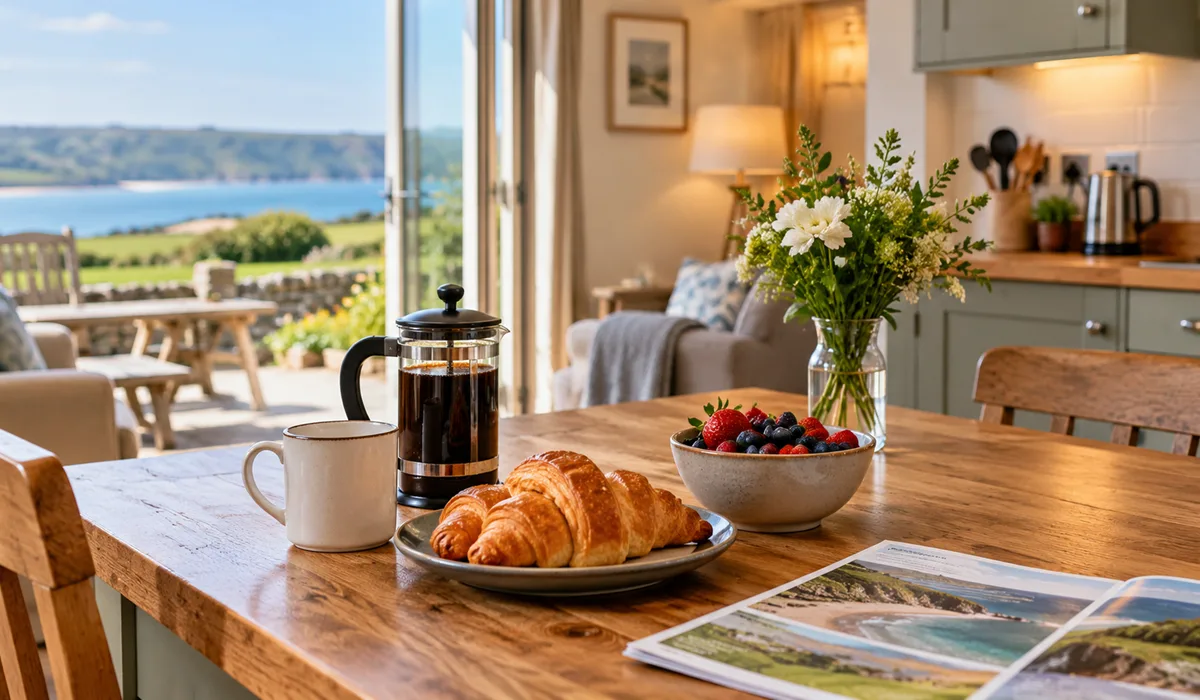
Self‑catering operators across Wales have been urged to submit evidence to a Welsh Government consultation that could reshape the tax framework governing their businesses. The Country Land and Business Association Cymru, which represents roughly 3,000 members and spans 11 million acres of rural land, is leading the call for swift responses.
The consultation centres on the 182‑day threshold introduced in 2023 that determines whether a self‑catering property qualifies for non‑domestic rates. Under the rule, a property must be commercially let for at least 182 days a year and meet additional conditions; otherwise it falls under council tax and may be subject to a second‑home premium of up to 300 per cent of the standard rate.
Business owners have been warned that failure to act could leave them with as little as seven days’ notice to settle tens of thousands of pounds in unexpected tax liabilities. With the deadline for evidence submissions set for 23 October, the window for influencing the policy is narrowing.
During the 2026 Senedd election, Plaid Cymru pledged to keep the 182‑day rule under review, prompting the Welsh Government to acknowledge that many established self‑catering premises, which contribute significantly to local economies, cannot realistically meet the requirement.
The current review seeks evidence on two fronts: reducing the minimum number of let days and introducing exemptions for properties that cannot be used as permanent homes, for example where planning conditions prohibit residential use.
CLA Cymru argues that the proposed modest reduction to 154 days, cited by the Welsh Government as an example, remains unattainable for many rural sites outside popular tourist zones. A recent survey of its members revealed that nearly 30 per cent of self‑catering accommodation in Wales is let for fewer than 140 days annually.
Occupancy levels, the association notes, are heavily influenced by a property’s size and location, yet the commercial status of a business should not be judged solely on those factors. To reflect the realities of operating in rural Wales, CLA Cymru is advocating for a threshold of 105 days.
The association also calls for clear, practical guidance on when exemptions apply, stressing that the final threshold will be determined through the consultation process. The Welsh Government has invited stakeholders to comment on the potential impact of any reduction.
Self‑catering owners are encouraged to detail how many days their properties are let, describe how the 182‑day rule has affected their business plans, and indicate whether the accommodation forms part of a broader enterprise. Such information is deemed vital to shaping the evidence base.
Beyond the core self‑catering sector, the consultation invites input from ancillary businesses that support the industry, including tradespeople, cleaners and hospitality firms, recognising the wider economic network that depends on these accommodations.
Interested parties can submit their responses through the Welsh Government’s consultation portal before the 23 October cut‑off. The outcome will influence whether the tax regime is adjusted to better suit the operational realities of rural self‑catering providers.