
DWP urges pensioners to claim Pension Credit despite savings
The DWP has launched a campaign to bust myths about Pension Credit, urging over-65s to check eligibility as millions in support remains unclaimed.
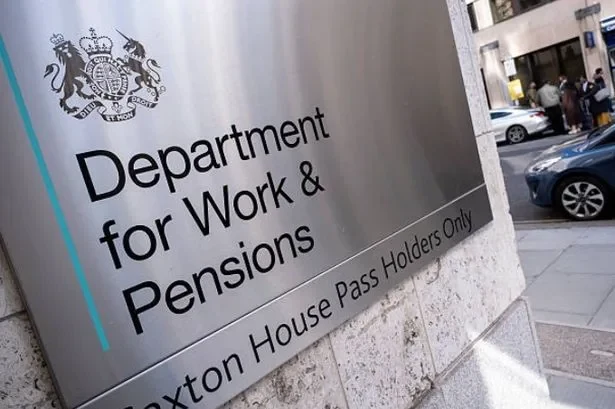
The Department for Work and Pensions (DWP) has launched a significant new awareness campaign aimed at clarifying eligibility criteria for Pension Credit. The initiative specifically targets a widespread misconception that prevents millions of older individuals from accessing vital financial support. The government is urging pensioners to check their eligibility, highlighting that savings and home ownership do not automatically disqualify applicants from receiving the benefit.
Ministers have stated that it is a “common myth” that retirees who own their homes or hold savings cannot claim Pension Credit. The department emphasises that an individual’s income is the primary factor determining eligibility, rather than their total assets. This clarification is part of a broader effort to ensure that vulnerable older people receive the support they are legally entitled to.
Current data indicates that approximately one million over-65s are failing to claim extra financial support they are entitled to. These individuals tend to be older people on lower incomes who are unaware of their rights or believe they do not qualify. The scale of this issue represents a significant gap in the delivery of social welfare services across the UK.
Morgan Vine, director of policy and influencing at Independent Age, provided further context on the magnitude of the problem. He noted that in the 2023/4 financial year, more than a million older people on low incomes who were eligible for Pension Credit did not receive it. This collective oversight resulted in a combined loss of £2.5 billion in life-changing support for these households.
Pension Credit is worth around £4,500 extra a year on average, a sum that could prove transformative for less well-off pensioners. For single pensioners, the benefit can top up their weekly income to £238. If an applicant is part of a couple, the amount rises to £363.25 per week, equating to up to £1,574 a month in additional support.
These figures represent a substantial increase in disposable income for those on fixed or low pensions. The additional funds can be used to cover essential living costs, helping to alleviate the pressure on household budgets. The DWP highlights that this financial boost can make a real difference to people’s day-to-day finances in retirement.
Beyond the direct cash payment, claiming Pension Credit opens up access to a range of other discounts and perks. Recipients may become eligible for the Warm Home Discount, which helps reduce energy bills during the colder months. Additionally, over-75s who claim the benefit can qualify for a free TV Licence, further reducing their monthly outgoings.
These ancillary benefits are designed to provide holistic support to those on low incomes. By bundling these discounts with the core payment, the government aims to create a more comprehensive safety net for older citizens. The DWP encourages families and friends to assist older relatives in navigating the application process to ensure no one misses out.
Minister for Pensions Torsten Bell addressed the issue directly, stating that “far too many pensioners are missing out on support they’re entitled to. He emphasised that Pension Credit is worth more than £4,500 a year on average and can make a real difference to people’s finances. Bell added that the benefit also opens the door to help with bills and other everyday costs, reinforcing its value beyond the headline figure.
The minister urged individuals to take action if they believe they might be eligible. “If you think you might be eligible, it’s worth checking,” Bell said. He stressed the government’s commitment to ensuring pensioners get the support they’re entitled to and do not miss out on money that could help them in retirement.
The campaign is a direct response to the persistent under-claiming rates observed in recent years.
Independent Age’s analysis underscores the urgency of this campaign, highlighting the billions of pounds left unclaimed by those who need it most. The organisation continues to advocate for clearer communication from the DWP to bridge the information gap. By busting common myths and simplifying the eligibility criteria, the government hopes to significantly increase the number of successful claims in the coming months.
The new awareness drive marks a pivotal moment in how the DWP engages with the older population. It shifts the focus from passive administration to active outreach, recognising that many eligible individuals are unaware of their entitlements. As the cost of living continues to impact households, ensuring that every eligible pensioner receives their full entitlement remains a critical priority for policymakers.
For those considering applying, the DWP’s message is clear: check your eligibility regardless of your savings or property status. The potential financial relief is substantial, and the process is designed to be accessible to all. Families are encouraged to play an active role in helping older relatives understand their rights and complete the necessary applications.
This initiative aligns with broader government efforts to support vulnerable groups during periods of economic uncertainty. By targeting the specific misconceptions that hinder claims, the DWP aims to unlock the full potential of the Pension Credit scheme. The goal is to ensure that no eligible pensioner is left behind due to a lack of information or understanding of the rules.
The campaign will likely involve multiple channels to reach the target demographic effectively. From digital platforms to traditional media, the message is being disseminated widely to maximise reach. The DWP’s proactive approach signals a recognition that administrative barriers must be removed to ensure equitable access to state support.
As the details of the campaign unfold, the focus remains on the practical impact for individual households. The £4,500 average annual increase is not just a statistic; it represents tangible relief for those struggling to make ends meet. The DWP’s commitment to busting myths is a crucial step towards ensuring that this support reaches those who need it most.
Independent Age and other advocacy groups will continue to monitor the uptake of the benefit following the launch of the campaign. Their analysis will provide valuable insights into the effectiveness of the new outreach efforts. The collaboration between government and civil society is essential to addressing the complex needs of the ageing population.
Ultimately, the success of this initiative will be measured by the number of additional claims processed and the financial relief provided to pensioners. The DWP’s message is a call to action for both individuals and their communities. By working together, the goal is to ensure that every eligible person receives the support they are entitled to, without delay or confusion.
The emphasis on income over assets is a key component of the new messaging. This distinction is vital for clarifying eligibility for those who may have modest savings but low regular income. The DWP’s clarification helps to remove a significant barrier to entry for many potential claimants.
It ensures that the benefit reaches those who are truly in need of financial assistance.
With millions of pounds unclaimed, the potential for positive impact is immense. The government’s push to increase awareness is a necessary step in closing this gap. By providing clear, accurate information, the DWP aims to empower pensioners to take control of their financial well-being.
The campaign represents a significant investment in the welfare of the older generation.
As the campaign progresses, the DWP will likely provide further updates on claim rates and outcomes. The feedback from the public will be crucial in refining the approach and addressing any remaining misconceptions. The goal is to create a seamless experience for those applying, ensuring that the process is as straightforward as possible.
This ongoing effort reflects the government’s dedication to supporting its citizens in retirement.
The interplay between policy and public understanding is central to the success of social welfare programmes. By actively engaging with the public and addressing their concerns, the DWP can build trust and improve uptake. The Pension Credit scheme is a vital tool in the fight against poverty among older people.
Ensuring its full utilisation is a shared responsibility between the state and society.
In the end, the message is simple: check your eligibility. The potential benefits are significant, and the process is accessible. By taking this step, pensioners can secure a more stable and comfortable retirement.
The DWP’s campaign is a timely reminder of the resources available to those who need them most. It is a call to action that could change the lives of millions across the UK.