
Rural Wales warns of diesel price crisis ahead of budget
Conservative MS Paul Davies urges the chancellor to act on fuel duty as diesel hits a record £2 per litre, threatening families and businesses in Pembrokeshire and Ceredigion.
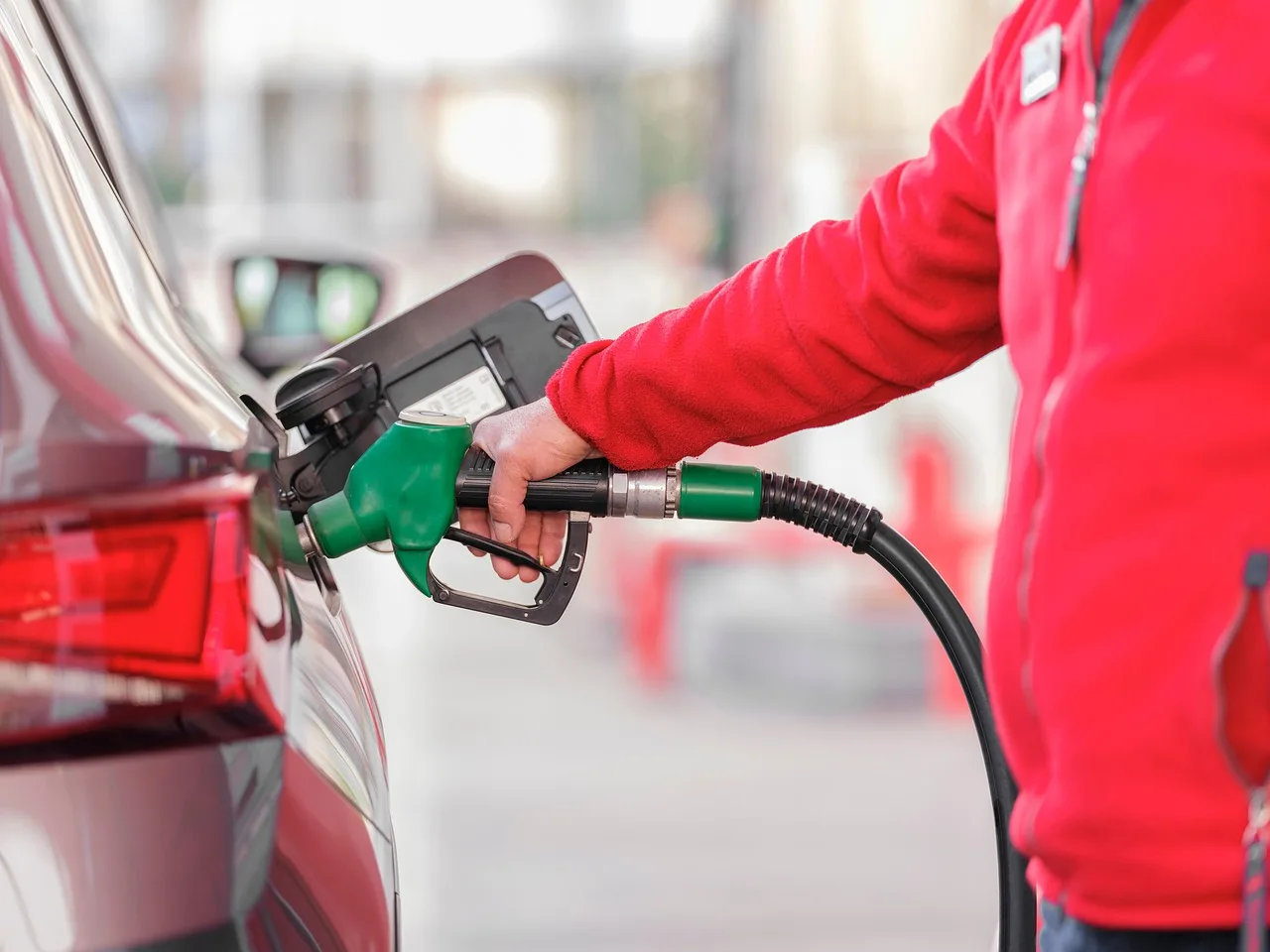
Rising diesel prices are hitting families and businesses across Pembrokeshire and Ceredigion, prompting a warning from Conservative Senedd member Paul Davies on 29 September.
Davies, who represents Ceredigion Penfro, told the Senedd that the UK’s average diesel price has surged to a record 199.18p per litre, a level he described as “deeply concerning for families across Pembrokeshire and Ceredigion”.
He argued that in the west of Wales, car travel is often unavoidable, with distances to work, schools, shops and hospitals making “the car simply isn’t optional”.
“Whether it’s getting to work, taking the children to school, doing the weekly shop or travelling to a hospital appointment, the distances involved in rural life mean families can’t simply choose to drive less,” he said.
At the current price, filling an average family diesel car now costs almost £110, a figure Davies said places “growing pressure on people across Pembrokeshire and Ceredigion”.
He is writing to the chancellor ahead of the Autumn Budget, urging a review of fuel duty to ease the burden on rural motorists.
“I raised this issue in the Senedd because I want the impact on rural communities to be heard,” Davies told colleagues. “But fuel duty is a matter for the UK Government, which is why I am now taking those concerns directly to the chancellor.”
He added, “Ahead of the Autumn Budget, I am calling on the chancellor to take action on fuel duty and give motorists some much‑needed relief at the pumps.”
The spike in diesel costs is not limited to private drivers. Farmers, hauliers, tradespeople and other local enterprises are also feeling the squeeze, with transport expenses threatening to push up the price of everyday goods.
“This isn’t just about individual motorists,” Davies warned. “Higher diesel prices increase costs for our farmers, hauliers and local businesses too, and those costs can ultimately feed through into the prices families pay for everyday goods and services.”
He noted that families are already “paying enough” and cautioned that any further increase in fuel duty could exacerbate hardship.
The UK Government currently maintains a 5p‑per‑litre fuel duty cut, a measure set to remain in place until 31 December 2026.
However, the exact rate of fuel duty beyond that date will be confirmed in the upcoming Autumn Budget, a decision that could determine whether rural communities see relief or further strain.
Local business groups have echoed Davies’s concerns, pointing to the vital role of road transport in delivering agricultural produce, construction materials and essential services across the sparsely populated western counties.
Transport operators in the region report that the cost of diesel now represents a significant proportion of operating expenses, forcing some to reconsider routes or reduce service frequencies.
For many residents, the prospect of higher fuel costs translates into tougher choices at the household level, from cutting back on discretionary spending to postponing necessary repairs.
Davies’s appeal to the chancellor reflects a broader push from rural MPs and MSs who argue that the current fuel duty framework does not reflect the unique challenges faced by communities where public transport options are limited.
As the Autumn Budget approaches, the debate over fuel duty is set to intensify, with rural Wales watching closely for any sign of relief that could stem the tide of rising living costs.