
Eco‑friendly holiday complex at Pen Y Cwm seeks two new units
Asheston Eco Barns applies to add two bespoke eco‑holiday units in West Pembrokeshire, citing demand and sustainable tourism goals.
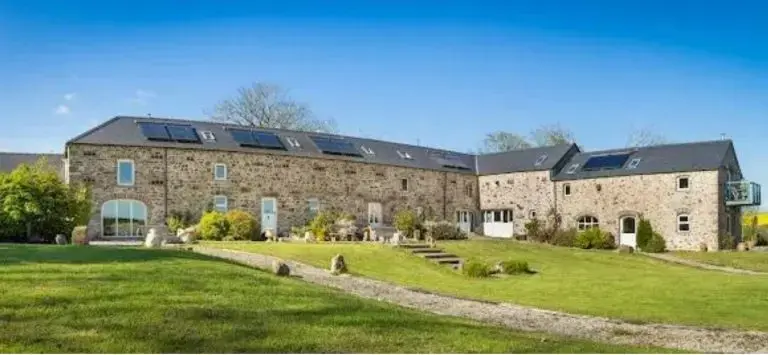
Planning officers at Pembrokeshire County Council have received a fresh application to enlarge the Pen Y Cwm eco‑holiday site.
Jeff and Karen Loo, owners of Asheston Eco Barns, are seeking permission for two additional self‑catering units on land they already own.
The proposal, submitted through Hayston Developments & Planning Ltd, follows a consent granted in 2007 for the existing five‑unit complex.
According to the supporting statement, the current units have operated for several years and have attracted positive guest feedback.
“The proposed linked expansion would be sited on land in our client’s ownership and will be adjacent to the existing holiday let units, we believe the site can satisfactorily accommodate the scale of development proposed and presenting a high‑quality design appropriate to its setting, and it would not detract from the semi‑rural character and appearance of the locality.”
The plan calls for a four‑bedroom, one‑and‑a‑half‑storey unit and a two‑bedroom, single‑storey unit.
Both are described as “modern and high‑quality bespoke holiday accommodation” intended for year‑round use.
“The proposal would provide all year‑round holiday accommodation in accordance with the overall tourism objectives of the council,” the statement adds.
Developers argue the expansion responds to growing demand for eco‑friendly stays in West Pembrokeshire.
They note the area’s popularity with visitors seeking sustainable holidays amid the county’s coastal and rural attractions.
“The application site lies within the countryside.” The adjoining use in the applicant’s ownership is an existing holiday use business (five units).
It is submitted that a countryside location is essential for the proposed use as it relates to an extension to an existing tourism accommodation business on the site.”
Asheston Eco Barns markets itself as a high‑quality self‑catering option, with reviews highlighting its easy access to both the north and south of Pembrokeshire.
Holiday letting forms a core part of the Loo family’s employment and income, and the additional units would extend that activity.
Local residents have previously praised the site for blending into the semi‑rural landscape while offering contemporary comforts.
The council’s planning committee will consider the application at a later date, with a decision expected after the standard consultation period.
Environmental groups have not been quoted on the proposal, but the statement stresses that the design will respect the surrounding countryside.
Transport links to the site include the A487, providing straightforward routes to St Davids, Fishguard and the wider county.
Tourism officials have highlighted the importance of expanding sustainable accommodation to meet visitor expectations without compromising natural assets.
Should the application be approved, the two new units would increase the total number of holiday lets at Pen Y Cwm to seven.
Local businesses anticipate a modest boost in visitor spend, particularly in food, drink and outdoor activity sectors.
The Loo family has indicated that construction would adhere to local building standards and minimise disruption to neighbouring properties.
Planning officers will assess the proposal against the council’s Rural Development Plan and its criteria for countryside development.
Any objections from nearby landowners or community groups will be recorded as part of the formal review process.
The decision will also weigh the project’s alignment with Pembrokeshire’s broader tourism strategy, which seeks to balance growth with environmental stewardship.
Stakeholders are reminded that the application does not alter the existing five‑unit layout but adds a second phase of bespoke accommodation.
Should the council grant permission, the new units could be completed within the next 12‑18 months, subject to planning conditions.
Observers note that the expansion reflects a wider trend of eco‑focused holiday developments across rural Wales.
For now, the future of the two proposed units rests with the council’s assessment of their impact on the semi‑rural character of Pen Y Cwm.