
Wales Wildfire Board launches #BurnToProtect campaign
The board urges farmers and landowners to plan controlled burns after Wales’ hottest summer on record spurs unprecedented wildfires.
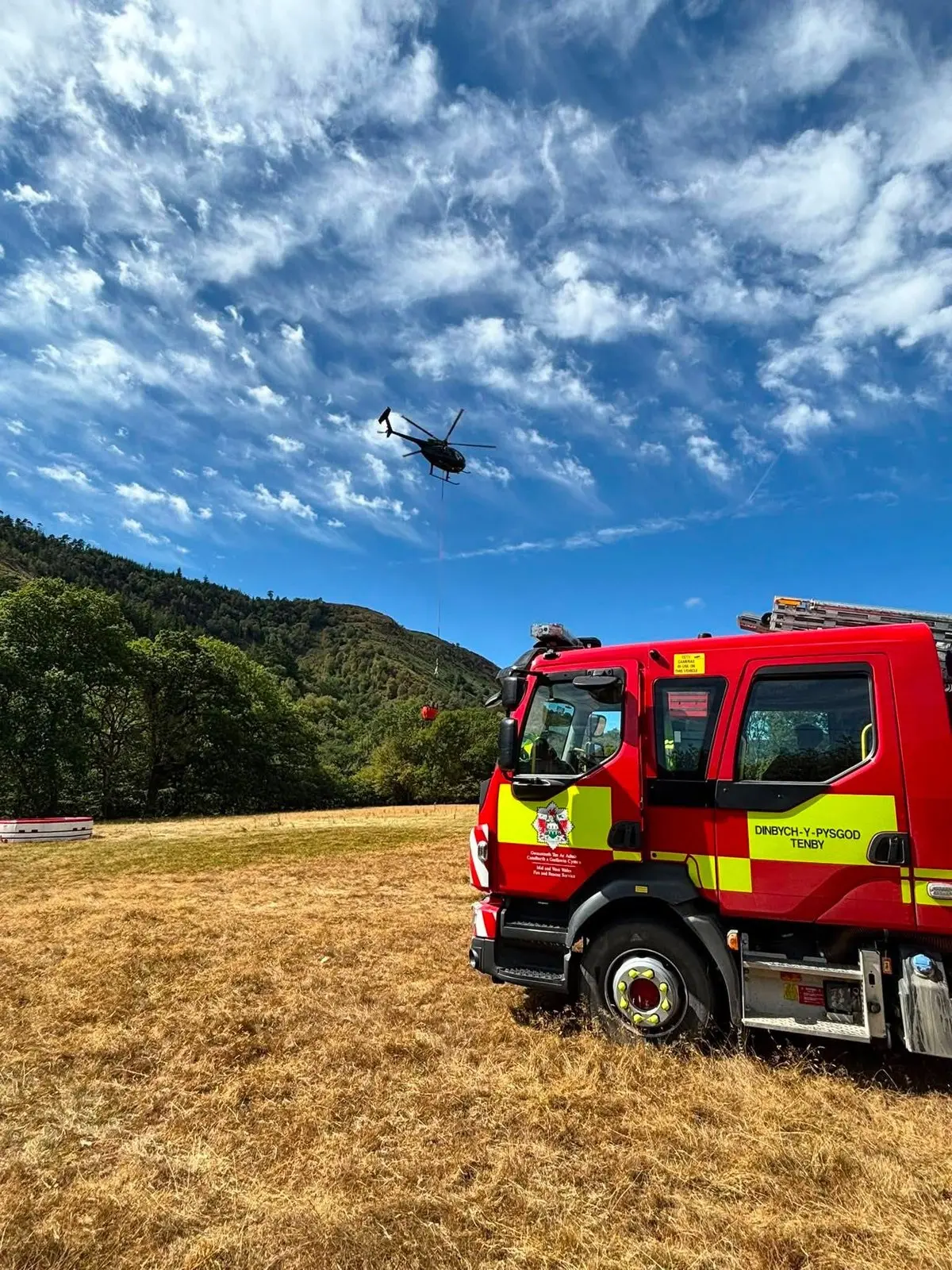
The Wales Wildfire Board has rolled out its annual #BurnToProtect campaign, urging farmers, landowners and rural communities to take active steps in reducing the risk of future wildfires.
Summer 2026 recorded the highest temperatures ever in Wales and the driest July on file, creating conditions that allowed fire to spread rapidly across the countryside.
During July and August, Welsh Fire and Rescue Services declared four major wildfire incidents – at Conwy Mountain, Llanwonno Mountain, Llangynidr Reservoir and Rhandirmwyn.
The scale and intensity of those blazes placed unprecedented pressure on emergency crews, partner agencies and the people whose land was directly affected.
Mutual aid was called in from neighbouring English fire services, while the military was deployed in South Wales to support firefighting operations.
Communities faced disruption, valuable habitats were damaged and, in some cases, families suffered the loss of property.
Recognising that controlled burning remains a vital land‑management tool when carried out responsibly, the board is urging anyone planning burns this season to coordinate closely with local fire services, Natural Resources Wales, farming unions and other partners.
Under current regulations, landowners may burn heather, grass, bracken and gorse from 1 October until 15 March each year, with an extension to 31 March for upland areas.
Those intending to conduct a controlled burn must have a burn plan in place and observe all appropriate safety precautions.
“This summer has changed the conversation around wildfire in Wales.” People saw first‑hand the scale of resources required to tackle large wildfires and the impact they can have on communities, businesses, farmland and the environment.
One of the clearest lessons from recent months is that wildfire resilience cannot be delivered by emergency services alone. It depends on strong partnerships between land managers, public services, farmers, local communities and government.
The Wales Wildfire Board was established to bring those partners together, ensuring we share expertise, learn from major incidents and take practical steps to reduce risk. My message to farmers and landowners is simple: please take the time to plan, understand the risks and engage with your local partners before undertaking any controlled burn.
You know your land better than anyone. By working with Fire and Rescue Services, Natural Resources Wales and farming representatives, you can play a crucial role in protecting livelihoods, enhancing resilience and helping to prevent the kind of large‑scale wildfires that affected communities across Wales this summer.
Wildfire prevention starts long before a fire begins.
Andy Wright, chair of the Wales Wildfire Board and senior specialist advisor – plant health and knowledge transfer at Natural Resources Wales, delivered the remarks at the campaign launch.
The board brings together fire and rescue services, Natural Resources Wales, police forces, farming unions, land managers and other organisations to better understand and mitigate wildfire risk across Wales.
By sharing knowledge and coordinating actions, the partnership aims to raise awareness of simple steps that can lower the likelihood and impact of wildfires.
Landowners are encouraged to visit their local fire and rescue service website for detailed safety guidance and downloadable resources linked to the #BurnToProtect initiative.
Officials stress that proactive planning and collaboration are essential to safeguarding Wales’ communities, countryside and natural environment against future fire threats.